
Last updated November 23, 2026
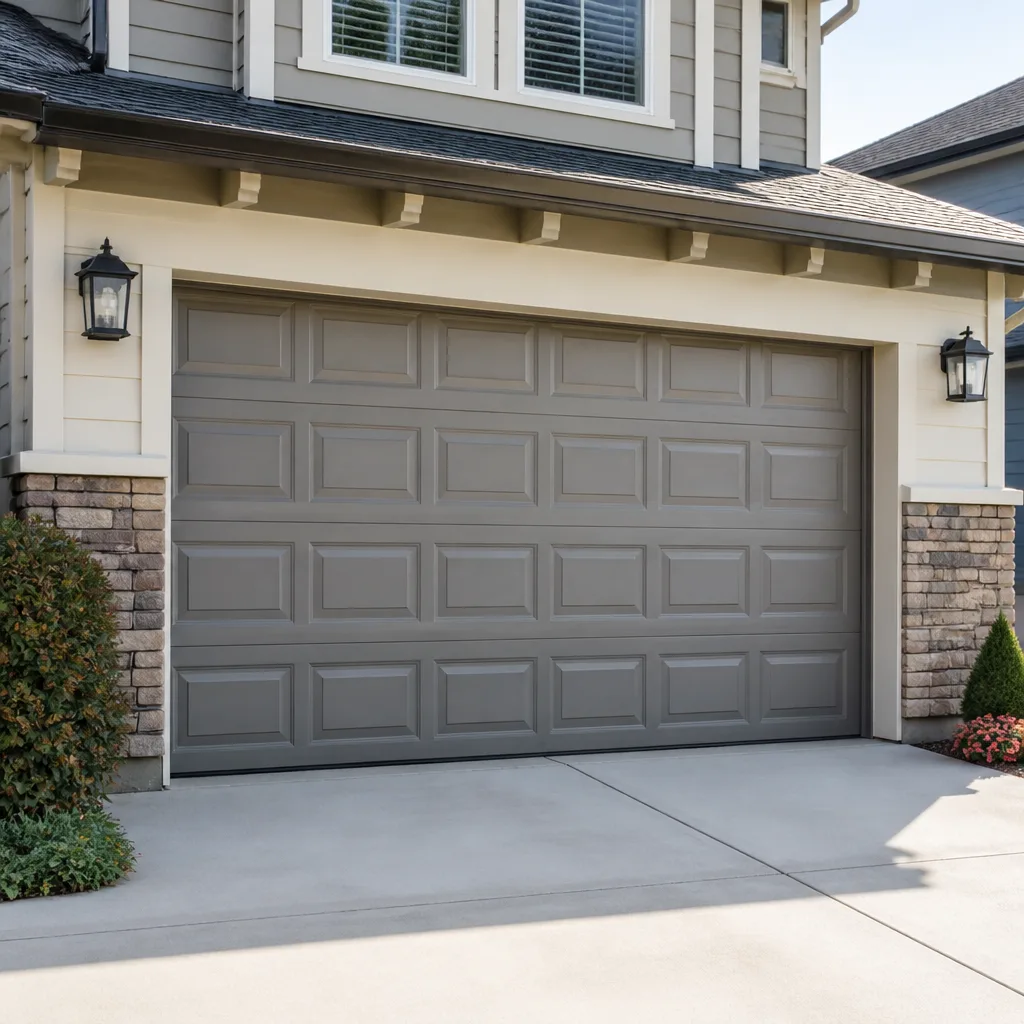 Raised-panel steel
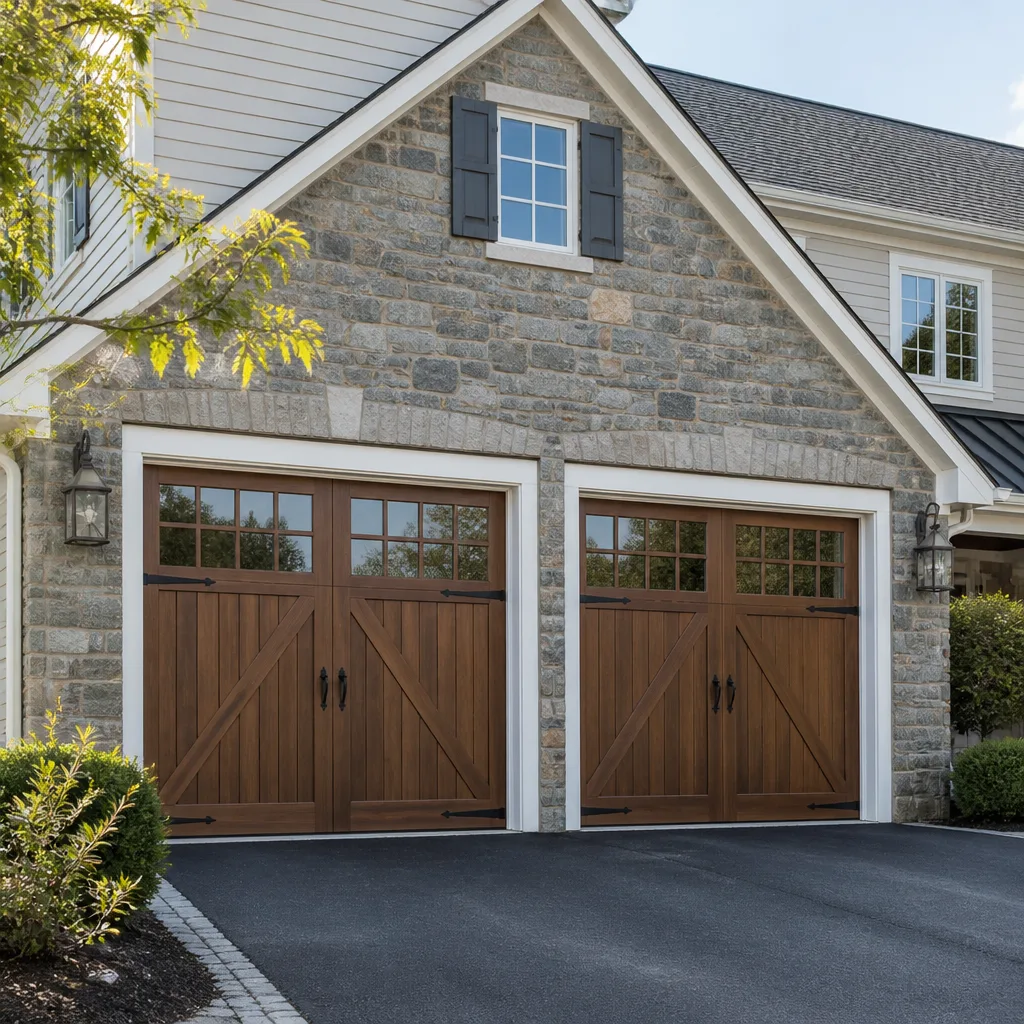 Carriage house
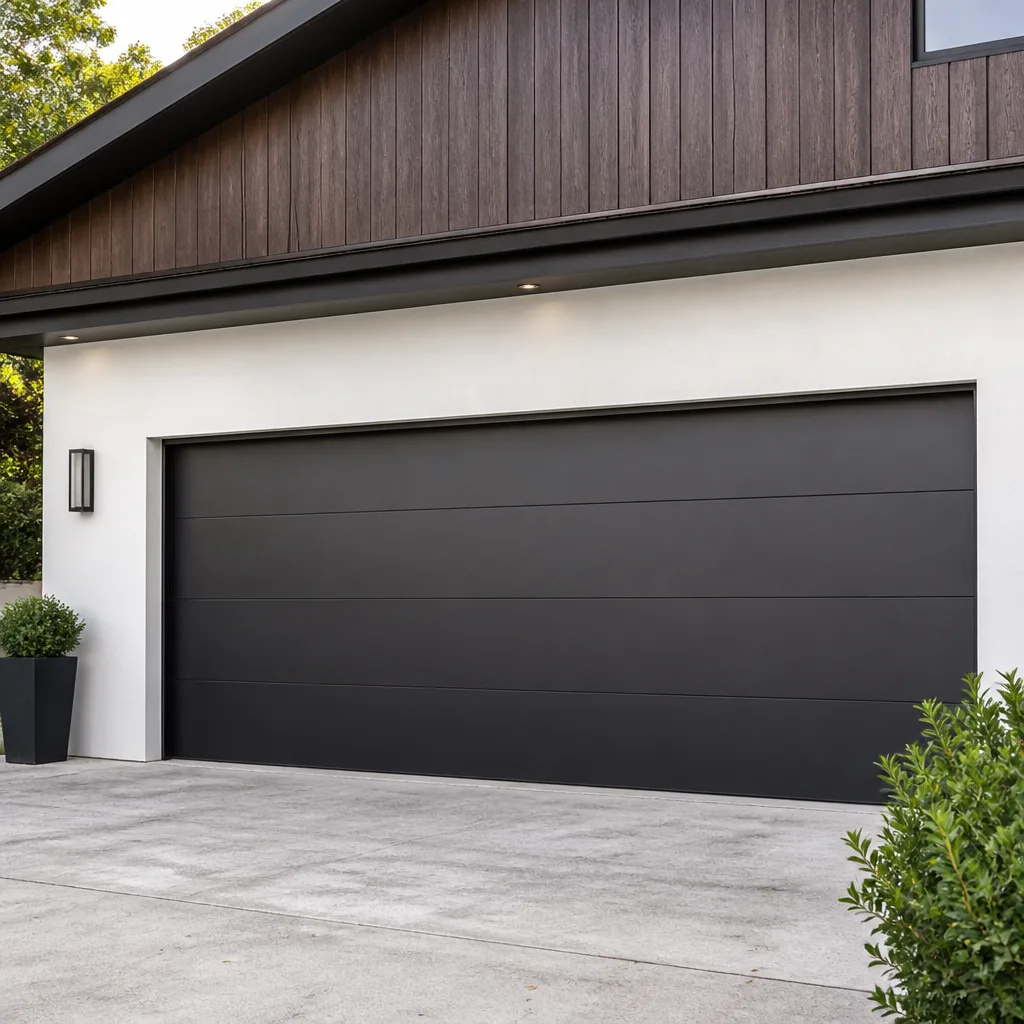 Modern flush
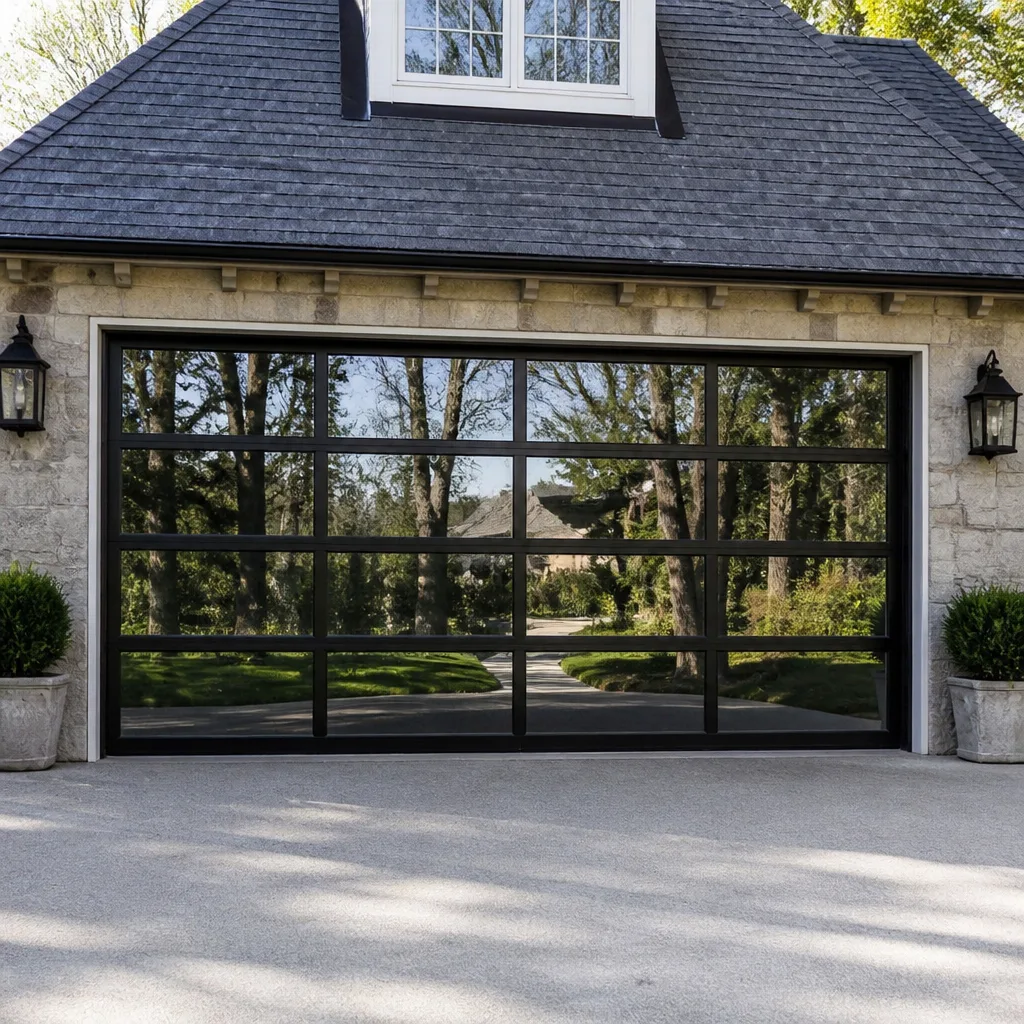 Full-view glass
 LiftMaster openers
 Chamberlain openers
Full 25-point door and opener safety check with every visit - springs, cables, rollers, tracks, and your LiftMaster or Chamberlain opener included
You get a price before we start. It does not change when the pro arrives.
Get your free estimateGarage Door Permits, Codes & Inspections in Petersburg, VA: What You Need to Know
Most Petersburg homeowners assume a garage door is too small a project to involve the city. That assumption is the expensive one. A like-for-like swap usually needs no permit, which is why the grey zone exists, but the moment a project changes the opening, adds a motor to a manual door, or touches the header, it lands on the other side of the line. Skip that step and the work can quietly resurface during a home inspection at sale, long after the contractor has packed up. This guide maps where the line actually sits in Petersburg, what triggers approval, and what inspectors check when the work is permitted.
Quick Answer
In Petersburg, a straight like-for-like garage door replacement usually does not require a building permit, but any change to the opening size, a new opener installed on a manual door in an older structure, or structural work on the header almost always does. Projects inside a historic district around Old Towne can need an added design approval layer. When in doubt, ask the city’s building department before work starts. The answer costs nothing; unpermitted work can cost plenty at resale.
Styles & brands we work with
- Raised-panel steel
- Carriage house
- Modern flush
- Full-view glass
- LiftMaster openers
- Chamberlain openers
Table of Contents
- Why Garage Door Work Sits in a Regulatory Grey Zone
- How Virginia’s Statewide Code Applies in Petersburg
- What “Like-for-Like Replacement” Actually Means
- The Three Modifications That Trigger a Permit
- Historic District Rules Around Old Towne
- The Inspection Sequence: What Inspectors Check
- How Unpermitted Work Affects Homeowner’s Insurance
- Step-by-Step: A Legal, Documented Garage Door Project
Why Garage Door Work Sits in a Regulatory Grey Zone
Garage doors fall into an awkward gap in building regulation. They’re clearly part of the structure, but they’re also a manufactured product hung on an existing frame, and that combination confuses everyone involved. When a homeowner asks a contractor “do I need a permit for this?”, the honest answer is often “it depends” – which is exactly the answer people don’t want to hear. Petersburg sits in that gap like most of Virginia.
We’ve watched this play out from both directions. Some homeowners pull permits for jobs that don’t need them, adding weeks and paperwork to a simple door swap. Others skip permits on jobs that clearly do need them – the change of opening dimensions, the addition of a motor to a manual door, the header repair – and only learn that during a home inspection years later.
The source of the confusion is that building codes were written with structural work in mind: framing, foundations, additions. A garage door replacement looks like a product swap on the surface. But once the underlying frame or opening changes, the project stops being a swap and becomes structural work. The line between the two isn’t obvious to anyone who doesn’t do this for a living.
That’s why we tell homeowners to ask the city, not guess. A five-minute call to the building department before work starts answers the question definitively, and there’s no upside to skipping that step. The same logic applies when you’re weighing whether to repair a door or replace it – the garage door repair route often sidesteps permit questions entirely because it works within the existing opening.
Petersburg’s housing stock adds another layer. Older homes around Old Towne and the neighborhoods radiating out from it frequently have garages with non-standard dimensions or frames that were built before the current code existed. Those are the exact situations where permits matter most, because they’re the ones where structural changes are most likely to be required.
How Virginia’s Statewide Code Applies in Petersburg
Virginia regulates construction through the Uniform Statewide Building Code, which sets the statewide baseline. Localities then adopt amendments that layer on top, and Petersburg has its own local amendments that builders and homeowners need to account for. That’s the part most out-of-town contractors miss – they know the state code, they don’t know the local amendments.
The Uniform Statewide Building Code is enforced locally. In Petersburg, that enforcement runs through the city’s building department, which reviews permit applications, issues permits, and sends inspectors to perform site visits. The code itself is the framework; the local department is the entity you actually interact with.
For garage door work specifically, the local amendments that matter most generally deal with:
- Structural alterations – anything touching the header, framing, or opening dimensions goes through the local review process, not just the state code.
- New electrical work – an opener installation or replacement on a garage that never had one typically means new wiring triggered by the installation, which can require a separate electrical permit.
- Historic overlay districts – properties within designated historic areas can have an additional approval step layered over the standard permit process.
- Non-conforming structures – older garages that don’t meet current dimensional requirements have their own rules about what can and can’t be modified.
Petersburg’s building department is the authoritative source for any specific project. We recommend a phone call before work begins – describe the exact scope (replacing a door the same size, adding an opener, changing opening dimensions) and ask if a permit is required. The answer will be direct, and it will be current.
If you’re working with a contractor, ask them what they know about Petersburg’s local amendments, not just the state code. The answer tells you a lot about how much local work they’ve actually done. A garage door opener repair job on an existing opener is a different conversation than a new opener install, and a contractor who knows the difference is one who’s been doing this work locally.
What “Like-for-Like Replacement” Actually Means
“Like-for-like replacement” means a new door installed into the same opening, using the same tracks, the same header, the same structural configuration, and roughly the same dimensions as the door being replaced. The city is being asked: is this a product swap, or is it construction work? A genuine like-for-like replacement is a product swap, and that’s why it usually doesn’t need a permit.
The phrase gets thrown around loosely. We’ve heard homeowners describe a project as “basically a straight swap” when the plan was a wider door, a different track layout, and a new opener. Those are three separate changes, and none of them are like-for-like.
A true like-for-like replacement meets all of these:
- Same opening dimensions. The new door goes into the same width and height the old door occupied. No frame changes, no widening, no trimming.
- Same structural connections. The new door uses the existing header and frame as built. No new headers, no reinforcing, no alterations to the load-bearing structure.
- Same track configuration. The existing track layout stays. If the new door needs different tracks, that’s a structural change, not a direct swap.
- Same opener situation. If the old door had a working opener and the new one connects to it using existing wiring, that’s typically like-for-like. If the old door had no opener and one is being added, that’s new electrical work.
- No change to how the door operates. If the old door was manual and the new one is manual, or the old was powered and the new is powered using the same setup, that’s consistent.
Genuine like-for-like replacements are common in Petersburg. When someone’s Wayne Dalton door has reached the end of its service life and they’re swapping it for a new door of similar dimensions using the same tracks and opener, the project usually stays in the no-permit zone. When the project drifts outside those bounds, that’s when the city needs to be involved.
The key insight: like-for-like isn’t about the door’s appearance or brand. It’s about the opening and the structure. A same-size replacement from a different manufacturer is still like-for-like. A door of the same brand that’s two inches wider is not.
The Three Modifications That Trigger a Permit
Three specific changes push a garage door project out of the like-for-like exemption and into permit territory. Homeowners rarely recognize all three, and contractors don’t always flag them.
1. Changing the opening size. Any change to the width or height of the opening is structural work. Widening a single door to a double, raising the header to increase door height, or narrowing an opening to fit a new door – all of these involve framing changes and require a permit. The city needs to review the structural implications of the change, even if the change is modest.
2. Adding a motor to a manual door in an older structure. If a garage door was manual and the homeowner is adding a powered opener, that’s new electrical work in a structure that likely didn’t have it. In an older Petersburg home, the wiring may not be rated for the load or may not meet current electrical requirements. This means a separate electrical permit and inspection, and often a review of whether the garage’s existing wiring can support the new load.
3. Touching the header. The header is the structural beam above the garage opening. Any repair, replacement, or reinforcement of the header is structural work and always requires a permit. The header carries the load of the wall above the opening, and even small repairs can affect that. If the header is failing and needs repair to support a new door, that repair has to be permitted and inspected before the door goes up.
There’s a fourth situation worth flagging: a change in door type that requires different structural support. A heavier door (insulated steel replacing a lightweight aluminum, for example) may need reinforcing that counts as structural work. Same goes for a door with a different balance requirement that needs different spring mounting. These cases fall outside a straight like-for-like swap even though the opening dimensions might stay the same. Spring work itself is a separate safety discussion – high-tension springs carry serious stored energy, and any repair to them is a job for a trained technician. If you’re weighing that repair, our garage door spring repair page covers the safety side.
If your project touches any of these three triggers, assume a permit is required and confirm with the city. We’d rather tell you to call the building department and hear “you don’t need one” than have a project flag during inspection.
Historic District Rules Around Old Towne
Petersburg has historic districts, most prominently the area around Old Towne, and properties within those districts go through a different approval process than properties outside them. Garage door work in a historic district can require more than a building permit – it can also require a design review to confirm the change respects the character of the neighborhood.
Historic district rules are separate from the building code. The building code asks “is this structure safe?” The historic district asks “does this change maintain the neighborhood’s character?” Both approvals can be required on the same project.
For garage doors, the design review typically covers:
- Door style and material. A modern sectional door replacing a period-appropriate carriage-style door may not pass design review even if it’s perfectly safe and code-compliant.
- Visible features. Windows, panel configurations, hardware, and color can all be part of the review when the garage faces a street or is visible from public view.
- Opening dimensions. Historic buildings often have non-standard garage dimensions that the district may want preserved, which rules out certain modifications even if they’d be permitted by the building code alone.
The order of operations matters. Historic district approval usually needs to come before the building permit application, so the review process can take longer than an out-of-district project. Homeowners should build extra time into the schedule and confirm the historic district boundary before ordering a door – discovering the project is inside an overlay district after the door is purchased is a common way to create a delay.
A contractor with real local experience knows to ask about historic district status early, not late. Whether the project is a repair or a replacement, checking the address against historic district boundaries should be one of the first questions in the conversation. That’s part of what separates a local garage door specialist from a general contractor who works across multiple jurisdictions – the local ones know the overlay maps.
For anyone in Old Towne or a neighboring historic district, we recommend starting with the Petersburg building department and asking directly: “I’m replacing a garage door at this address – is this property in a historic district, and does the project require design review?” That one conversation answers the whole question.
The Inspection Sequence: What Inspectors Check
When a garage door project does require a permit, inspectors visit the site and check specific items against the code requirements. Understanding the sequence helps homeowners prepare and reduces the chance of a failed inspection that stalls the project.
The typical sequence for a permitted garage door project:
- Permit application. Submit plans and project description to the Petersburg building department. Wait for approval before starting work.
- Rough-in inspection (if structural or electrical work is involved). This happens before the door goes up. The inspector reviews the frame, header, wiring, and any structural changes to confirm they meet code.
- Final inspection. After the door is installed and working, the inspector reviews the finished product against the approved plans. This confirms the installed door matches what was permitted and that it functions safely.
What inspectors actually check during those inspections:
- Header and framing. For projects involving header work, the inspector confirms the structural member meets code requirements for the load it carries, and that connections are correct.
- Electrical connections. For opener installations, the inspector checks wiring connections, grounding, and whether the circuit is appropriate for the installation.
- Opening dimensions. The installed door must match the dimensions on the approved plans. If it doesn’t, the permit doesn’t cover the project as built.
- Safety features. Modern openers require safety features – auto-reverse on obstruction, photoelectric sensors at the door opening. Inspectors check these on final inspection.
- Door operation. The door must open, close, balance, and stop correctly. Inspectors confirm the door isn’t binding, doesn’t fall from an open position, and responds properly to its opener.
Homeowners are often surprised that the inspector doesn’t check aesthetic details. Panel count, color, and hardware finish aren’t part of a building inspection. The inspector is confirming structural integrity, electrical safety, and proper operation of the door itself. Design review, where applicable, handles the aesthetics separately.
The failure points we see most often are mismatch between installed dimensions and permitted plans and missing safety features on opener installations. Both are avoidable when the plans are accurate and the installation is done correctly the first time. Build the inspection into the project timeline from the start.
How Unpermitted Work Affects Homeowner’s Insurance
Most homeowners haven’t read the clause in their homeowner’s policy that deals with unpermitted work. It’s there, and it can matter. When unpermitted garage door work is tied to a covered loss – water damage through an improperly flashed header, electrical damage caused by wiring that wasn’t inspected – the insurer can deny or reduce the claim on the basis that the work wasn’t permitted or inspected.
The reasoning is mechanical rather than malicious. Homeowner’s insurance policies generally cover losses that arise from maintained, inspected structures. Unpermitted work creates a category of structure the insurer didn’t know about and couldn’t evaluate. If a claim touches that work, the insurer has grounds to reduce or deny coverage for that portion of the loss.
The scenarios where this actually comes up:
- Water intrusion at the header. If a header was modified or replaced without a permit and inspection, and the work later fails and causes water damage inside the garage or the structure, the claim can be affected.
- Electrical damage from opener wiring. An opener installed without an electrical inspection can be a source of electrical damage. If a fire claim traces back to that wiring, the claim can be reduced.
- Structural damage from a garage door failure. If a door fails in a way that’s connected to unpermitted structural work, the claim can be affected.
Beyond insurance, there’s the sale-of-home reality. Unpermitted work typically comes up during the buyer’s inspection. The buyer’s inspector flags it, the buyer raises concerns, and the transaction can stall or the price can come down. The work that looked easy to skip when it was happening becomes a negotiating problem when it’s discovered years later.
Paradoxically, unpermitted work is also the most expensive work to correct. Bringing unpermitted work into compliance often means retroactive permits, re-inspection, and sometimes undoing work to expose it for inspection. A project that stayed put and had the permit done properly is often cheaper overall than the same project corrected later.
The safe assumption: when a permit is required, get it. When it’s genuinely not required, no permit is needed. But bring the project to the city’s attention before work starts, not after.
Step-by-Step: A Legal, Documented Garage Door Project
Here’s the sequence that works, from the homeowner’s side:
- Determine the project scope precisely. Before calling anyone, write down: opening dimensions, whether the opening size is changing, whether the opener situation is changing, whether the header or frame is being touched. This is the information the building department and contractor both need.
- Check the address against historic district status. Call the Petersburg building department and confirm whether the property is in a historic district. If it is, ask what the design review process requires.
- Call the building department with the scope. Describe the project in plain terms: “I’m replacing a garage door at this address, same size opening, same tracks, using the existing opener” or “I’m adding a powered opener to a garage that’s always been manual.” Ask whether a permit is required, and if so, what the application requires.
- Get the permit before ordering the door. If a permit is required, submit the application and wait for approval. Ordering a door that doesn’t match the permitted plans creates a mismatch that has to be corrected.
- Document the project. Keep the permit, the inspection records, and the door’s manufacturer documentation. These become part of the home’s records, useful at resale and potentially important if a claim ever comes up.
- Schedule inspections. If structural or electrical work is involved, schedule the rough-in inspection before the door goes up. Schedule the final inspection after the door is installed and working.
- Store the paperwork. Put the permit and inspection records with the other home documents. When the buyer’s inspector asks about the garage door, having the paperwork answers the question definitively.
For simpler projects, this sequence is faster than it sounds. A like-for-like replacement on a non-historic property often goes from question to answer in one phone call to the building department. The point isn’t to add bureaucracy; it’s to have a clear yes or no before work starts, so the project doesn’t undermine a future sale or claim.
Common Mistakes to Avoid
- Assuming “replacement” means no permit needed. A true like-for-like swap doesn’t trigger a permit, but a lot of projects that get described as replacements involve scope changes that do. Confirm the scope in writing before work starts.
- Adding an opener without checking electrical requirements. In older Petersburg homes, the wiring often isn’t set up for a powered garage door opener. Adding one can require a separate electrical permit and a review of whether the circuit supports it.
- Missing historic district status. Properties in and around Old Towne may have an added design review layer that most contract paperwork doesn’t mention. Verify the address against the district boundaries before ordering a door.
- Ordering the door before the permit is approved. If the permit requires the door’s dimensions to match the plans and they don’t, you’re in the awkward position of having purchased something that can’t be installed. Sequence matters.
- Skipping the paperwork trail. A permit that was pulled and an inspection that passed are worth holding on to. Without documentation, a future buyer’s inspector has no way to distinguish permitted work from the opposite.
- Assuming the inspector checks aesthetics. The building inspector confirms structural integrity, electrical safety, and door operation. Design review handles the aesthetic questions. Treat them as separate steps when both apply.
- Treating the permit process as something to be worked around. There’s no upside to skipping it when it’s required. Unpermitted work surfaces eventually, usually at the least convenient moment – during the buyer’s inspection, or during a claim that touches it. A permit now is cheaper than a correction later.
See the difference
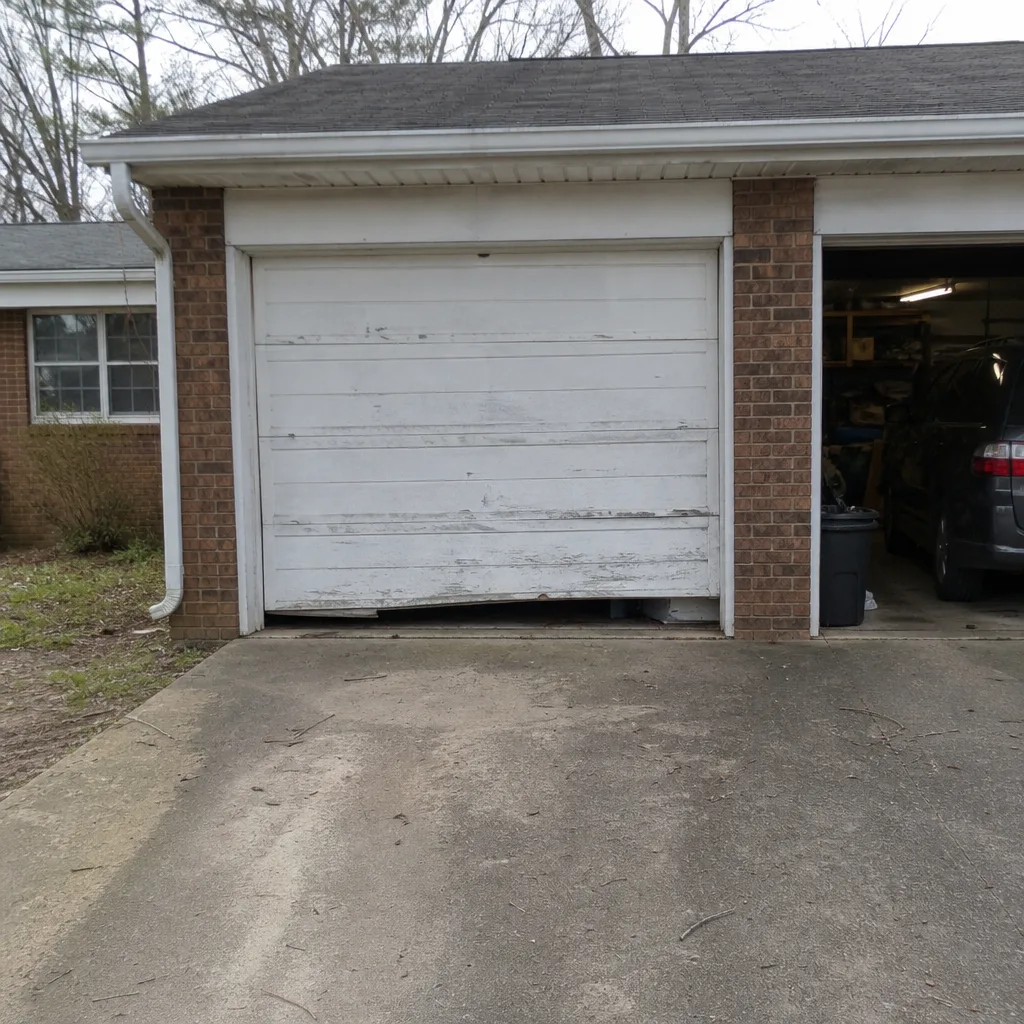 Before
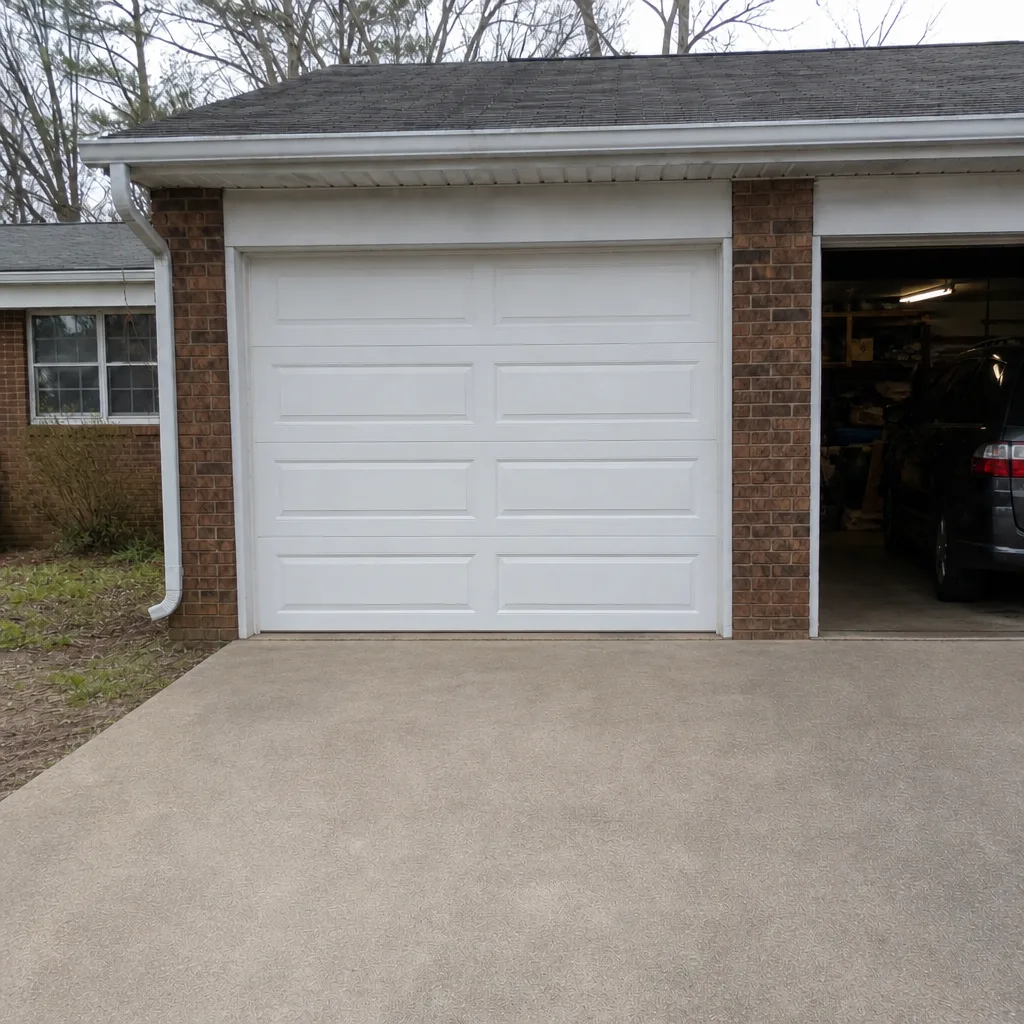 After
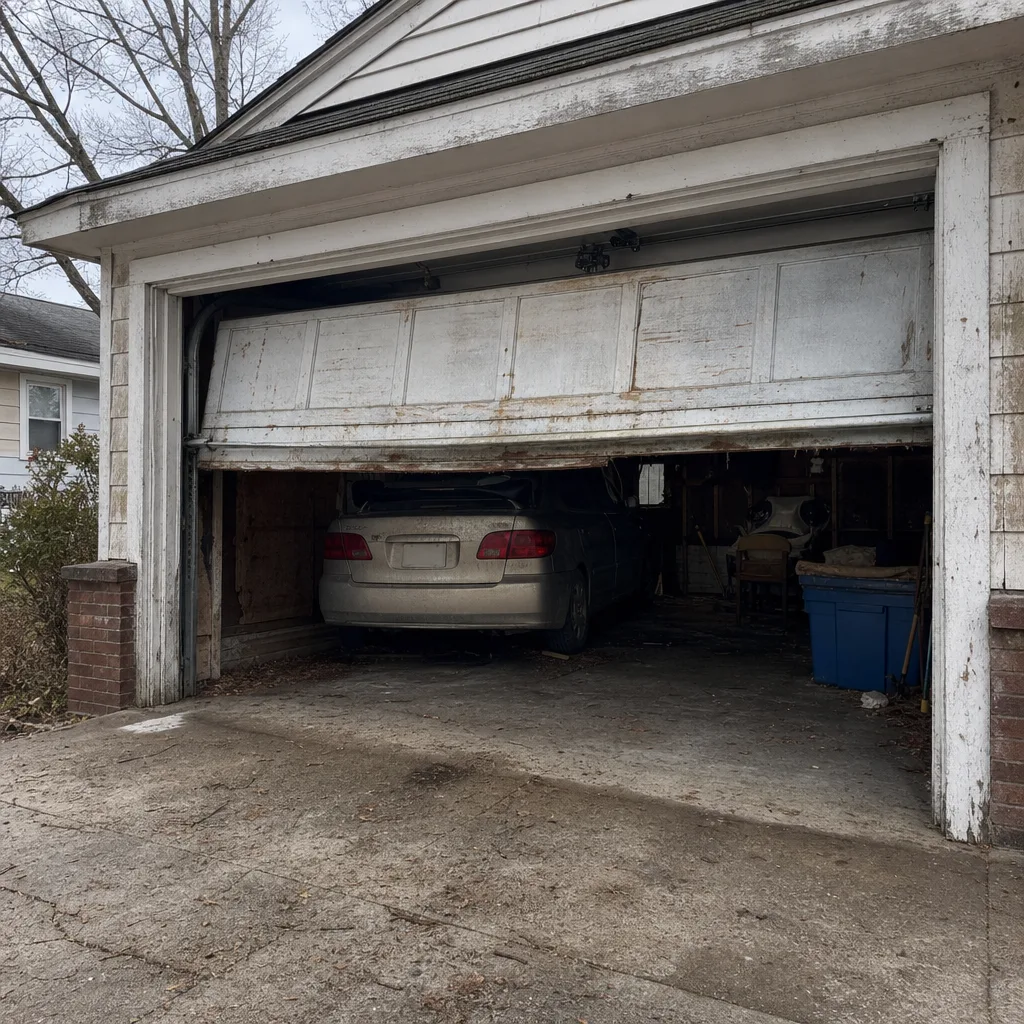 Before
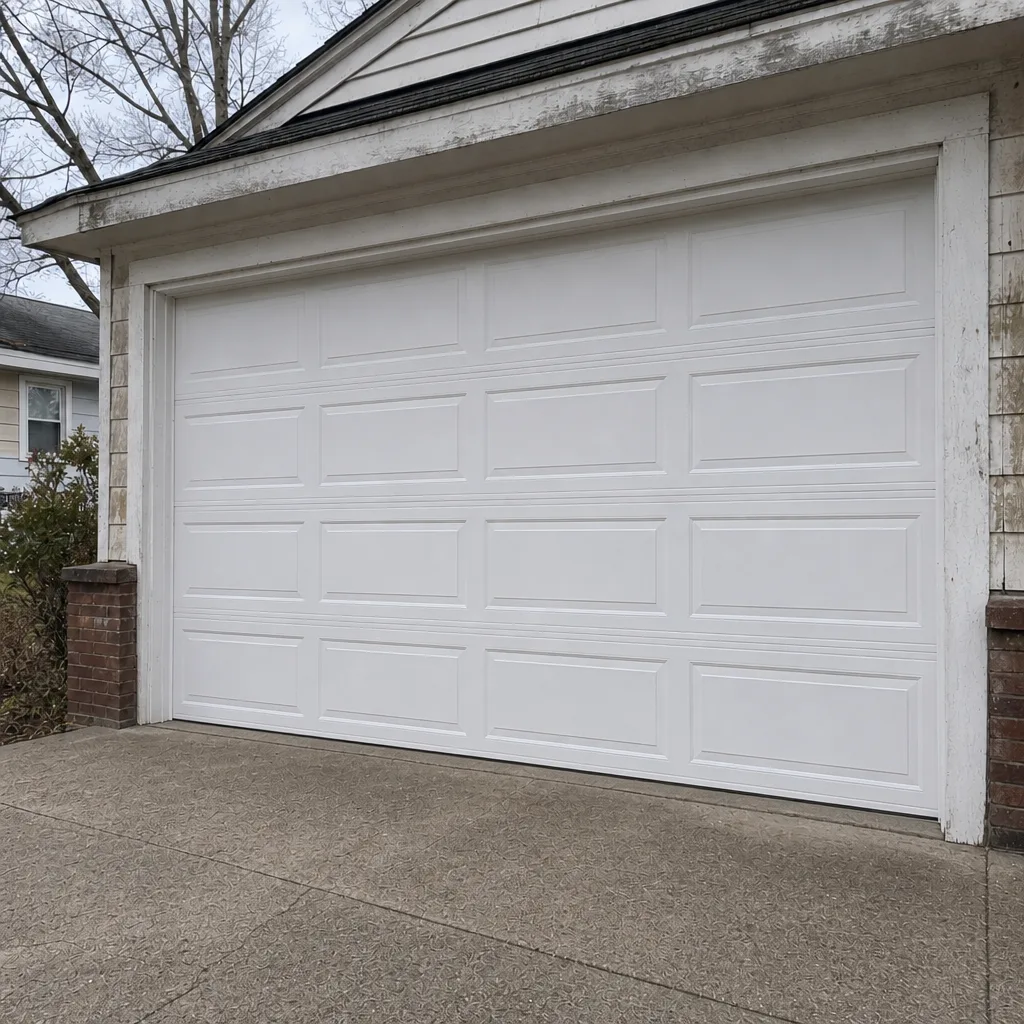 After
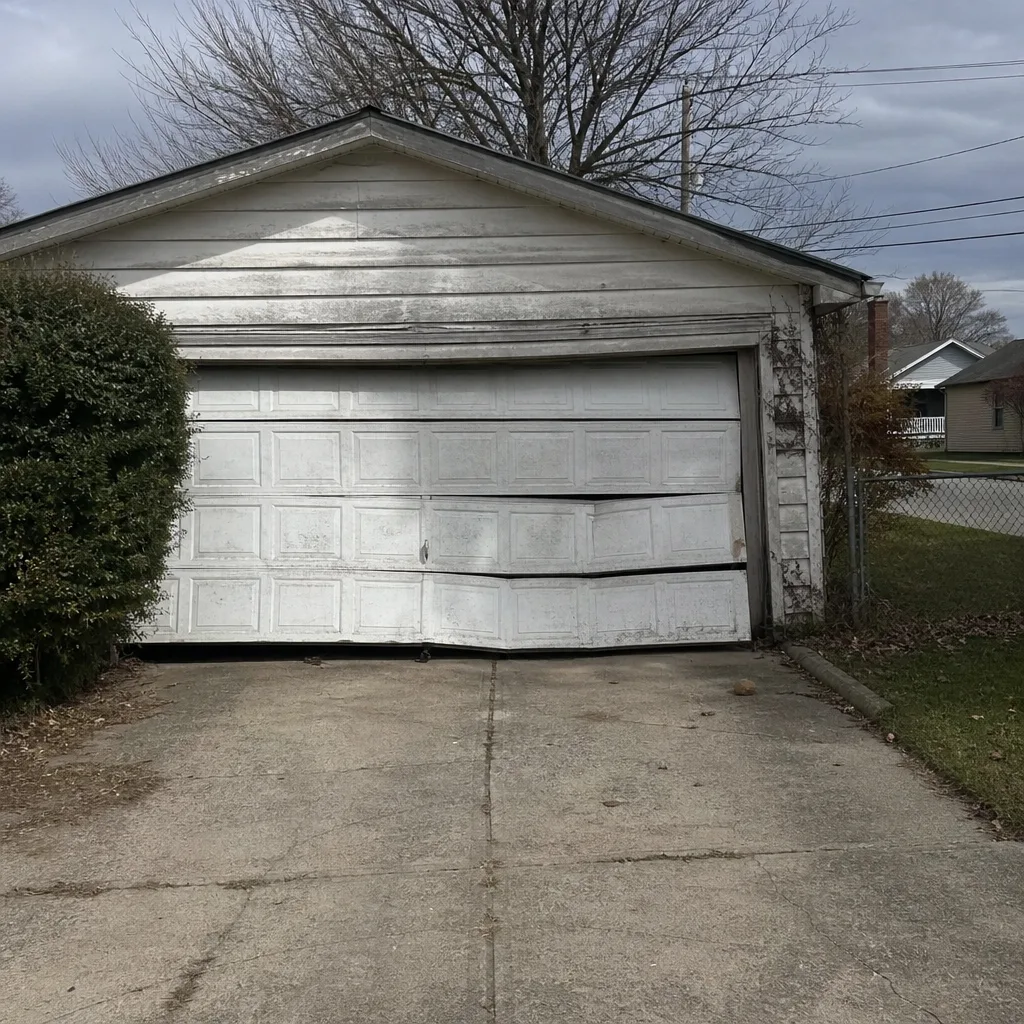 Before
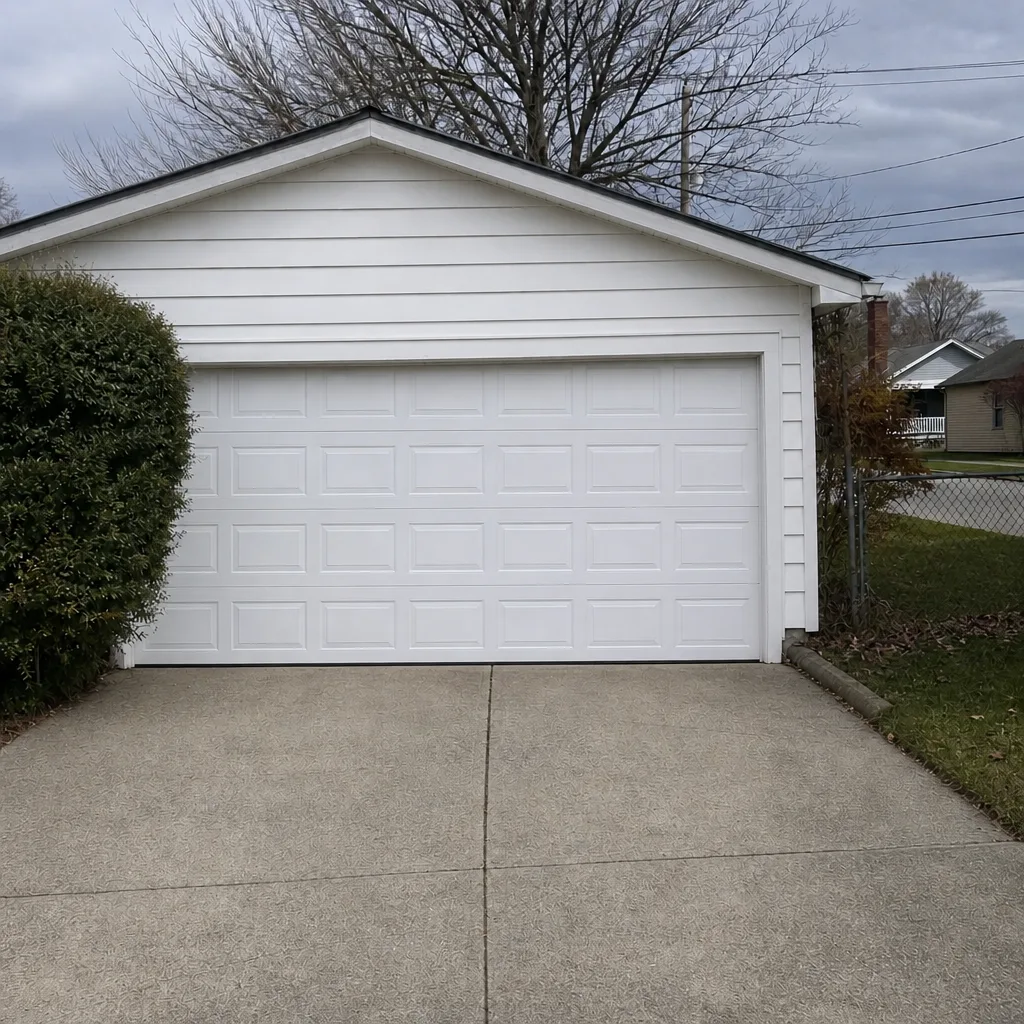 After
When to Call a Professional
When a garage door won’t open, when a spring has broken, when the door is sagging or binding, when the opener has stopped responding – those are the moments when a trained technician is genuinely faster than working it out alone. High-tension springs are dangerous, and high-voltage electrical work around an opener is genuinely hazardous. If you’re not sure what’s wrong, the diagnosis alone is worth the call.
When the project is a replacement, the calculation is different but the recommendation is similar. A specialist who knows the specific hardware – Wayne Dalton, Craftman, Raynor, LiftMaster – can tell you whether your project is a like-for-like swap or has drifted into permit territory, and can walk through the door’s configuration with you before any paperwork. That’s the value of talking to a specialist rather than a generalist.
Petersburg Garage Door Repair Pros offers free estimates in Petersburg – call (844) 791-5308. We answer 24/7. Fast dispatch from 7am to 7pm, Sunday through Friday. Whether the door needs a repair, a new opener, or a full replacement, the conversation starts with your project’s scope and a written estimate before any work begins.
Frequently Asked Questions
Usually not, as long as the replacement is a true like-for-like swap – same opening dimensions, same tracks, same structural configuration. If the project changes opening size, touches the header, or adds a motor to a manual door, a permit is typically required. Confirm with the Petersburg building department before work starts; the call is free and definitive. Call (844) 791-5308 if you’d like to talk through your project first.
A like-for-like replacement uses the same opening, the same tracks, and the same structural configuration as the door being replaced. Same width, same height, same header, same frame, same opener setup. A shift to a different brand or finish is usually still like-for-like; a change to any dimensional or structural element typically is not. Call (844) 791-5308 to walk through your specific situation.
Yes. Properties within designated historic districts in Petersburg can require a design review approval in addition to a standard building permit, and that review covers door style, visible features, and opening dimensions. Because the historic district boundary isn’t obvious from the street in every case, it’s worth confirming the address against the district map before ordering a door. Call (844) 791-5308 if you’d like us to look at your project scope.
The immediate fine is only part of the risk. Unpermitted work can surface years later during a home inspection at sale, and it can affect a homeowner’s insurance claim if a loss touches the unpermitted structure. The process for bringing unpermitted work into compliance typically involves retroactive permits, re-inspection, and sometimes undoing work to expose it – which often costs more than doing it right the first time. Call (844) 791-5308 for a free estimate before you commit to a scope.
Building inspectors check structural integrity (header, framing, connections), electrical safety (wiring, grounding, circuit adequacy for opener installations), opening dimensions matching the permitted plans, safety features like auto-reverse and photoelectric sensors, and door operation. They don’t check aesthetics – that’s the job of design review where it applies. Call (844) 791-5308 to schedule a free estimate on the installation itself.
Opener repair on an existing opener is a repair situation, not a permit situation – it doesn’t typically involve new wiring or a change to the door’s structural configuration. Opener replacement on an existing setup is similar. Adding an opener to a door that’s always been manual is where permit questions come in, because it brings new electrical work into an older structure. For the repair side, our garage door opener repair team can diagnose the failure and give you a written estimate. Call (844) 791-5308.
The Bottom Line
Garage door permits in Petersburg come down to one line: a like-for-like replacement usually doesn’t need one, and a project that changes the opening, touches the header, or adds a motor to a manual door usually does. Historic district status around Old Towne can add a design review layer on top of the building permit, and confirming the district map before ordering a door avoids a common delay. Unpermitted work is the mistake that keeps costing, because it can surface at the buyer’s inspection or affect an insurance claim years later. Ask the city before work starts. That single phone call settles the question in minutes and protects the sale of the home down the road. Then get a written estimate from a specialist – Petersburg Garage Door Repair Pros offers free estimates in Petersburg, and trained technicians have up to 8 years of experience with the systems in local homes. Call (844) 791-5308 today.
Written by the team at Petersburg Garage Door Repair Pros.