
Last updated November 23, 2026
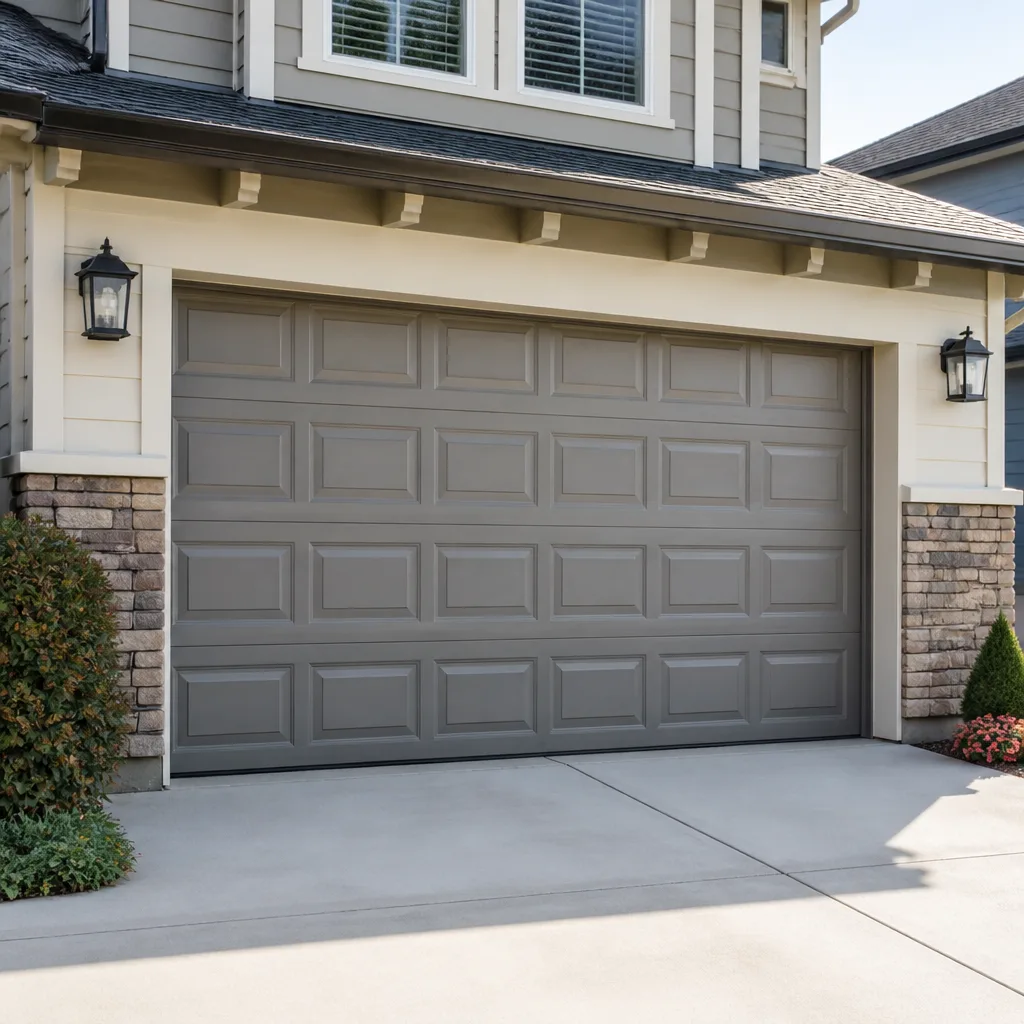 Raised-panel steel
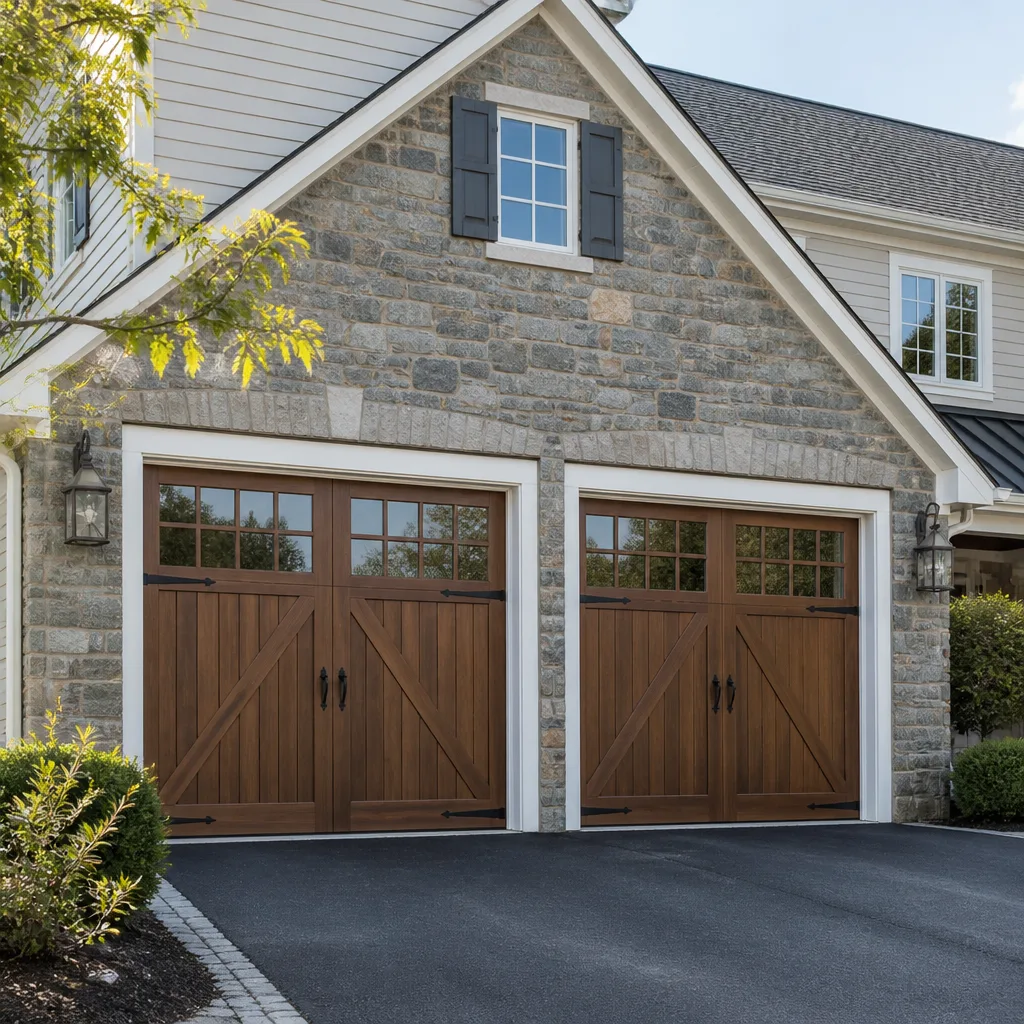 Carriage house
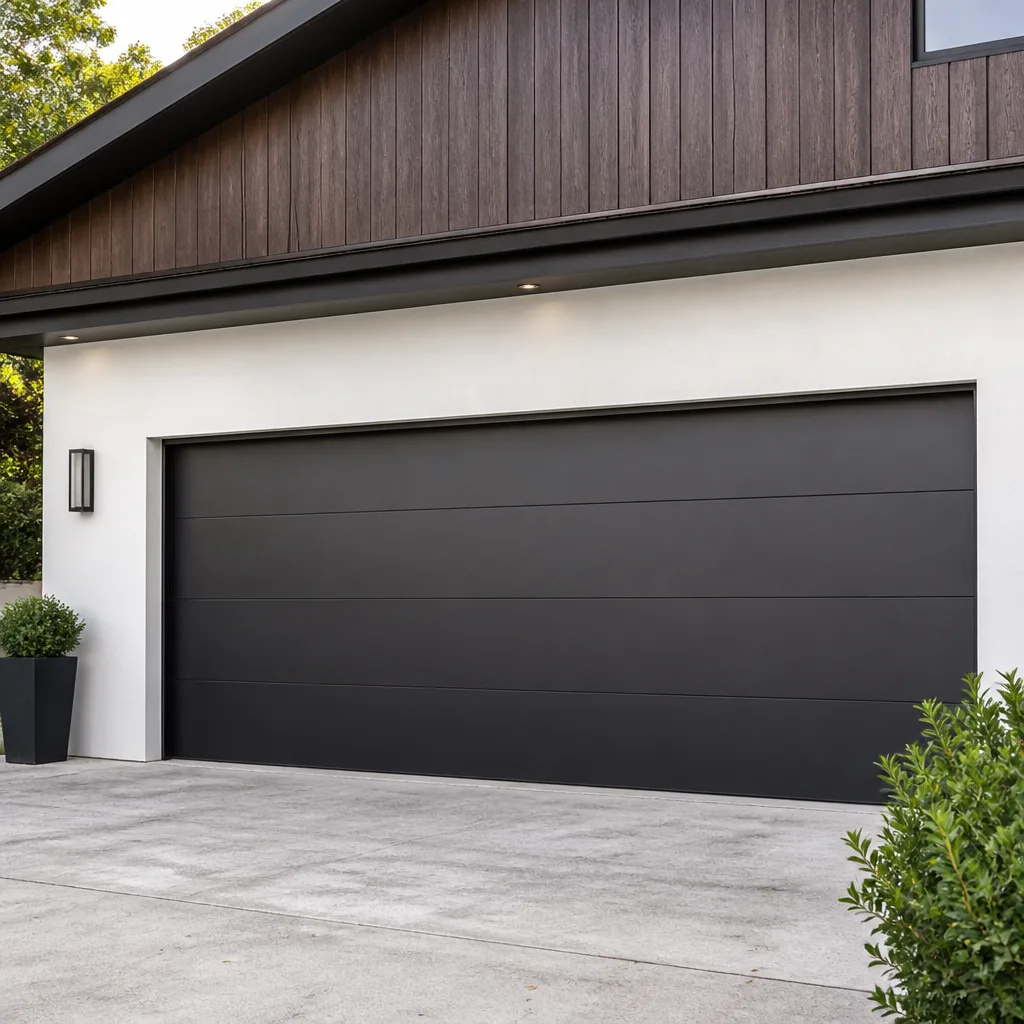 Modern flush
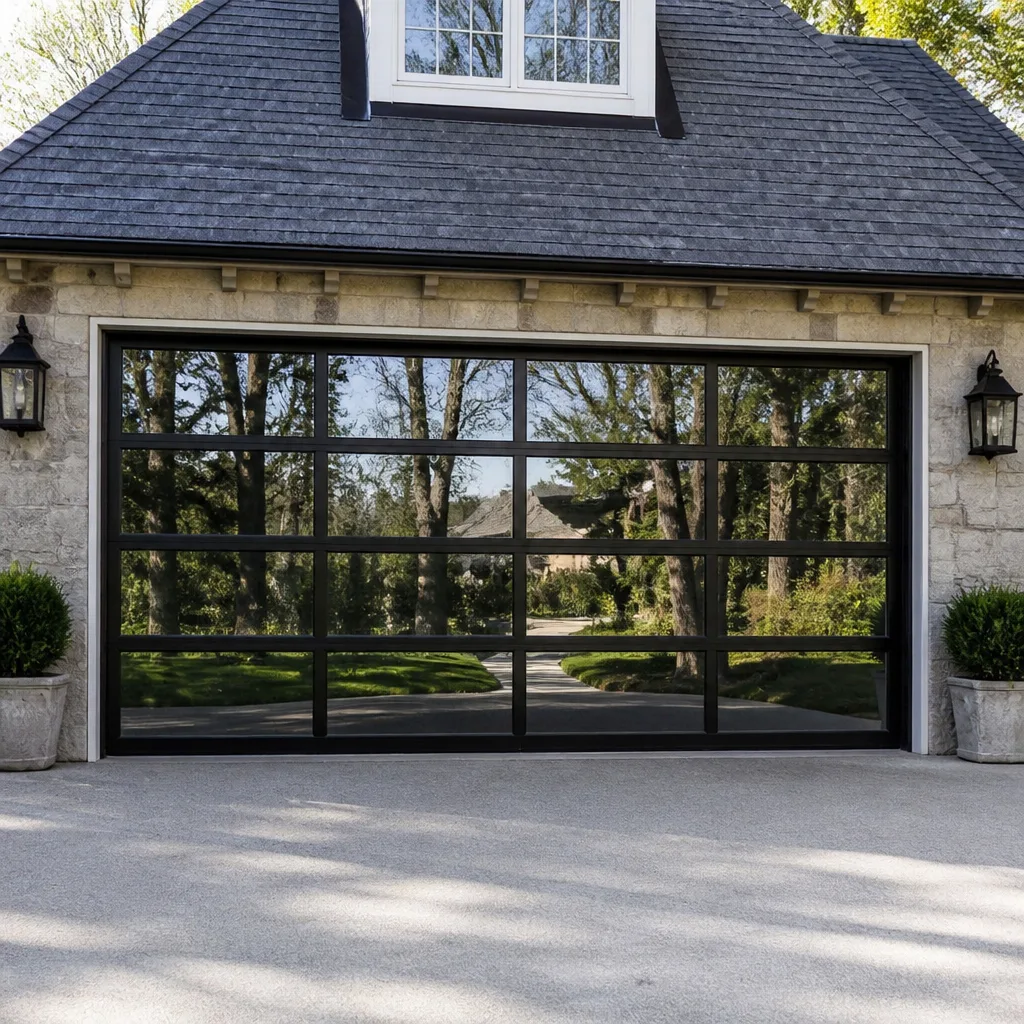 Full-view glass
 LiftMaster openers
 Chamberlain openers
Full 25-point door and opener safety check with every visit - springs, cables, rollers, tracks, and your LiftMaster or Chamberlain opener included
You get a price before we start. It does not change when the pro arrives.
Get your free estimateGarage Door Repair Troubleshooting in Petersburg: Common Problems and How to Fix Them
A garage door that reverses before it reaches the floor isn’t broken. It’s talking to you. Somewhere in the chain that runs from the opener’s logic board down to the safety sensors, something is signaling “stop,” and the reversal is just the messenger. Here’s the trap most homeowners fall into: they treat the symptom as the problem, buy a part that isn’t the culprit, and lose a weekend. A door is a mechanical sequence, not a single machine, and each component governs a different behavior. This guide walks that sequence the way a technician does, so you can tell the difference between a five-minute adjustment you can safely make and a spring you should never touch. We’ll cover the tools, the diagnostics, and the specific ways Petersburg homes and weather shape what fails.
Quick Answer
Garage door problems in Petersburg almost always trace back to one of five things: safety sensor misalignment, limit and travel settings that drift, a broken drive gear inside the opener, worn or snapped cables, or lost spring tension. Sensor and limit issues are the only ones a homeowner can safely adjust; anything involving springs or cables requires a trained technician because the stored energy in a wound torsion spring can cause serious injury. The fastest way to solve a mystery door is to stop guessing at parts and work through the mechanical sequence from the bottom up.
Styles & brands we work with
- Raised-panel steel
- Carriage house
- Modern flush
- Full-view glass
- LiftMaster openers
- Chamberlain openers
Table of Contents
- How a Garage Door Cycle Actually Works
- What’s Safe to Fix Yourself vs. What Isn’t
- Why Petersburg Doors Fail Differently
- The Three Most Misdiagnosed Failures
- The Troubleshooting Decision Tree
- Opener-Specific Diagnostics by Brand
- Where to Stop and Call
How a Garage Door Cycle Actually Works
A garage door is a counterweight system. The opener doesn’t lift the door – the springs lift the door, and the opener just tips the balance and steers it along the tracks. Understanding that division of labor is the single most useful diagnostic concept a homeowner can carry, because it tells you instantly which system to suspect when a door misbehaves.
Here’s the sequence in the order energy travels:
- The spring stores energy. Torsion springs (mounted on a shaft above the door) or extension springs (running alongside the horizontal tracks) are wound at installation to counterbalance the door’s weight. A correctly balanced door feels near-weightless when you lift it by hand.
- The opener transmits torque. The motor turns, the drive gear or belt engages, and the carriage rides the rail to push or pull the door. The motor is deliberately not strong enough to force a jammed door – that’s a safety feature, not a weakness.
- The cables and drums translate tension into motion. Cables run from the bottom corners of the door up to the drums on the torsion shaft. A snapped cable instantly shifts the load to one corner, which is why the door suddenly hangs crooked.
- The tracks guide. Vertical and horizontal tracks hold the panels in line. They don’t pull the door – they just keep it honest.
- The safety sensors gate the cycle. The two photo-eye sensors near the floor must see each other continuously. Break the beam and the door reverses.
- The limits bookend the travel. Limit switches (mechanical on older openers, digital on newer ones) tell the motor where fully open and fully closed live.
Once you map a symptom to this sequence, the answer usually narrows fast. A door that reverses before touching the floor isn’t a motor problem. A door that won’t move at all isn’t a sensor problem. We’ll use this map throughout. When you’d rather have a specialist run the diagnostics, our garage door repair team works the same sequence on your door.
What’s Safe to Fix Yourself vs. What Isn’t
The line is easy to draw: anything stored under tension is off-limits. That sentence covers springs and cables entirely, and it’s the reason we tell homeowners to stop before they touch either.
Safe for a homeowner
- Safety sensor alignment. Wipe the lenses, check the indicator lights, and re-aim the sensors so they face each other squarely. If one sensor’s light is off, look for a misaligned bracket, a dead bulb, or a wire that pulled loose at the terminal.
- Limit and travel adjustment. The travel distance and force limits are adjustable per your opener’s manual. If the door stops a few inches short of the floor or slams closed too hard, this is a settings issue in nearly every case.
- Lubrication. A few drops of garage door lubricant on the rollers, hinges, and hinges’ pivot points quiets a noisy door. Never lubricate the tracks themselves – grease traps grit and causes the rollers to skid instead of roll.
- Obstruction clearing. Something leaning against the door, a kid’s bike, a dropped tool on the track – check the physical path first. It sounds obvious until it’s the actual answer.
- Battery and wall-button checks. Remote batteries, wall-button wiring, and opener power. A dead remote is not a broken opener.
Not safe for a homeowner
- Anything under spring tension. Torsion springs store an enormous amount of energy. A spring that fails while you’re working on it, or a winding bar that slips out of the shaft, can cause serious injury. This is not a do-it-yourself job, and we say that to every caller who asks.
- Cable replacement. Cables are also under load. Even a “slack” cable can snap taut without warning. A snapped cable is a call-a-professional problem, full stop.
- Track realignment when the door is off-kilter. If the door is hanging crooked or jammed, the tracks may look bent, but the load is the real danger. Straightening tracks on a loaded door isn’t a homeowner task.
- Spring winding, unwinding, or resetting. No matter what the video says. Please.
Our advice is simple: if the repair requires you to touch a spring, a cable, or a track while the door is under load, stop and call. For the rest, we’re happy to walk you through what to look for. That’s the same authority we apply on every garage door spring repair job – because springs are dangerous, and this is a job for a trained technician.
Why Petersburg Doors Fail Differently
A garage door in Petersburg lives in a different working environment than one in a dry inland town, and that environment shapes which parts give out first. Three local conditions matter most.
Humidity from the river corridor. The Appomattox River runs through Petersburg, and the moisture in the air most of the year affects every steel component in the system. Rollers rust first, then hinges, then the torsion shaft and its bearings. Rusted rollers don’t roll – they drag, which raises the load the opener has to fight, which shortens the life of the drive gear and belt. We look for rust on rollers and cables on nearly every door we service in the city.
Clay soil settlement. Petersburg’s clay-heavy ground shifts with the seasons as it takes on water and then dries. That movement transmits into the foundation, and the foundation carries your garage door’s tracks, brackets, and opener mounting. A track that was plumb at installation can drift out of alignment over a couple of wet winters and dry summers. A door that seems to “pull” to one side is often this exact issue – the floor and the tracks have moved out of agreement.
Summer heat and winter swings. Metal panels expand in summer and contract in winter. A door that ran quietly in April can develop a rattle by August as the panels shift in the tracks. Most of that noise is cosmetic – but if the noise is accompanied by the door dragging or reversing, expansion isn’t the cause and you’re back to the diagnostics.
That’s why we plan on seasonal checks for older doors in Petersburg rather than waiting for a failure. The rail and track geometry should be checked once a year, ideally early in the spring, because the settlement from winter and the swell from spring rains are the two events most likely to throw things off.
The Three Most Misdiagnosed Failures
These three account for a large share of the parts we’re asked to install that were never the problem. They’re worth learning because each one involves a homeowner understandably following a symptom to the wrong conclusion.
1. Motor runs, but the door doesn’t move: it’s the drive gear, not the motor
A motor that hums or runs without moving the door is almost always a broken drive gear or a stripped belt, not a failed motor. The gear is a wear item – it’s designed to fail before something catastrophic happens. Listen carefully: if the motor runs smoothly but the door sits, the drive system between the motor shaft and the carriage is the suspect, not the motor itself. That’s good news – a gear replacement is far less expensive than a new opener. This is where brand knowledge pays off. On a LiftMaster or a Chamberlain, the drive gear and its housing are specific components with specific failure patterns. A Genie or a Craftsman openers’ older screw-drive units show up with a different symptom set (a sluggish start, then a stall). We work on your brand, so we’re not guessing at what’s inside.
2. Door hangs crooked or off-track: it’s a cable, not a track
This is the most common misdiagnosis we see. A door hanging at an angle or with a panel out of line looks like a track problem, but the track is almost never the cause. The cause is nearly always a snapped or slack cable on one side. When one cable lets go, the door’s weight shifts to the other corner, which pulls the door out of the track and looks exactly like bent metal. If you straighten the track without fixing the cable, you’ve just made an ugly door with a dangerous cable. When you see a crooked door, stop and get a technician out. Do not run the opener. Cables live in the same safety category as springs.
3. Door runs slow: it’s lost spring tension, not a weak opener
A door that has slowed down over months, not overnight, is usually telling you the springs have lost tension. Springs relax over time. As they do, the opener has to work harder to move a door that now feels heavier than it did. Many homeowners assume the opener needs replacement, but the fix is a spring service. How do you tell? With the door closed and the opener disconnected (per the manual’s release procedure), lift the door by hand. If it feels heavy or won’t stay open, the springs are the culprit. If it lifts easily and stays put, the springs are fine and you can look elsewhere. Leave the spring maintenance itself to a technician – but a balance test is a safe diagnostic. If the balance test points to the springs, that’s a spring job and it belongs to a pro.
The Troubleshooting Decision Tree
This is the format we use on the phone and on site: match the symptom, check the most likely cause first, then the next, and stop when you hit the safety line.
If the door won’t close and reverses immediately
- Check the safety sensors first. Is anything blocking the beam? Is one lens dirty? Is one sensor’s indicator light off? This solves most cases.
- Check sensor alignment. Sensors need to face each other squarely and at the same height. A sensor knocked slightly out of aim reads the floor as an obstruction.
- Check the force limit. If sensors are clean and aligned, a force setting that’s too sensitive will reverse the door on a perfectly good obstruction-free path.
- If the above are clean and the door still reverses, call. A logic board or wiring fault is beyond DIY territory.
If the door won’t open
- Check the opener’s power and the wall button. A tripped breaker or a dead wall button stops everything.
- Check the remote and its battery. A dead battery in the remote isn’t an opener problem.
- Check the release cord. If the release is engaged (someone pulled the manual release), the opener is disengaged and the door won’t respond. Verify the carriage is seated back on the rail.
- Listen for the motor. If the motor runs but the door stays, the drive gear or belt is the suspect (see above). If the motor is silent, the electrical side needs diagnosis.
If the door opens or closes a few inches and stops
- Check the limits. The travel limits have likely drifted or been changed accidentally.
- Check for a physical obstruction on the track or in the door’s path.
- Check the force setting. A door that stops mid-travel may be hitting a resistance threshold too low for the door’s current weight.
If the door is noisy
- Lubricate rollers, hinges, and pivot points. This resolves a large share of noise complaints.
- Check the rollers for flat spots or rust. Rusted rollers are common in Petersburg and should be replaced, not just greased.
- Check the track bolts. Loose hardware rattles. Tighten what’s loose – but don’t force anything that’s bonded or cross-threaded.
Every step where the answer is “it’s fine” should move you down the tree. Every step where the answer is “spring, cable, or track under load” should move you to the phone. When you want us to run the tree with you, our garage door opener repair team handles the electrical side every day.
Opener-Specific Diagnostics by Brand
Openers aren’t interchangeable internally. The same symptom can point to different components depending on the brand. Here’s how the biggest names in residential openers show up in our diagnostics.
LiftMaster and Chamberlain. These two brands dominate the smart-home opener market, and they share a lot of design DNA (including the myQ ecosystem). Common failure points: a drive gear that wears out after several years, Wi-Fi connectivity drops that make the door appear “dead” when it’s actually an app or network issue, and travel limits that need recalibration when the door’s weight changes. If your LiftMaster shows the door reversing but the sensors look clean, check the sensor indicator lights carefully – one of the most common calls we get is a Chamberlain door that isn’t reversing but isn’t closing either, which is almost always a sensor alignment issue.
Genie. Older Genie systems use screw-drive and chain-drive mechanisms that fail differently from belt-drive models. A Genie screw drive that starts sluggish and then stalls is showing the screw drive’s wear pattern. Chain-drive Genies get noisy as the chain wears, and the symptoms can mirror a failing bearing. Don’t assume “Genie = motor problem” – the transmission is the more common culprit.
Raynor and older units. Raynor openers and other older systems without Wi-Fi connectivity often have gentler electronics but more mechanical wear. On those, the limit switches and the force settings tend to be where the diagnosable action is. If you don’t know the model, the opener’s label inside the housing is your starting point – write it down before you call so the technician can arrive already knowing what’s inside.
One brand-specific note worth repeating: the Wi-Fi integration on modern LiftMaster and Chamberlain openers is a convenience layer, not part of the safety system. If the door works on the wall button but not the app, the door works. That’s a network problem, and it’s diagnosed differently from a mechanical or electrical one.
Common Mistakes to Avoid
- Buying a part before diagnosing the symptom. A homeowner who replaces the opener when the springs have given out has spent money on a fix that won’t change anything. Match the symptom to the component before you buy.
- Straightening a bent track on a crooked door. A door hanging at an angle almost always has a cable problem, not a track problem. Straighten the track on a loaded door and you’ve added risk to a job that already needed a professional.
- Greasing the tracks. This feels right and isn’t. Grease on the tracks attracts grit and causes rollers to skid, which actually increases the load on the opener.
- Adjusting the force limit to compensate for springs. If the springs have lost tension, turning up the opener’s force setting makes the opener work harder against a heavier door. That shortens the opener’s life and can mask the real issue.
- Pulling the manual release on an off-kilter door. If the door is hanging crooked, pulling the release cord can drop the door. Only release the carriage on a door that’s level and closed.
- Assuming a reset fixes it. Power-cycling the opener (the wall button or the breaker) clears transient faults, but a mechanical failure won’t reset. If the symptom returns the next day, the issue is mechanical and needs a technician.
- Ignoring the local weather pattern. In Petersburg, a door that ran fine through spring rain and then “started dragging” in late summer is often showing rust on rollers or a track that shifted with the season. Treat seasonal changes as a diagnostic clue, not a coincidence.
When to Call a Professional
Some problems beg to be fixed with a screwdriver and a Saturday. Others don’t. Stop and call a technician for any issue that involves a spring, a cable, a track under load, or a failure that persists after sensor and limit checks. If the door is hanging crooked, if you hear a loud bang from the spring area, or if the door slams or reverses on its own after you’ve verified the sensors and limits, that’s a technician’s job. High-tension springs and cables are safety-critical components, and the folks who handle them every day are the right people for that work. Our technicians have up to 8 years of experience on doors in Petersburg homes, and we keep a full service range from emergency repair through opener work and new installation so you’re never hunting for a second company when the need changes. Call (844) 791-5308. We answer 24/7. Fast dispatch from 7am to 7pm, Sunday through Friday. Petersburg Garage Door Repair Pros offers free estimates in Petersburg, and the price is quoted and agreed before any work starts.
See the difference
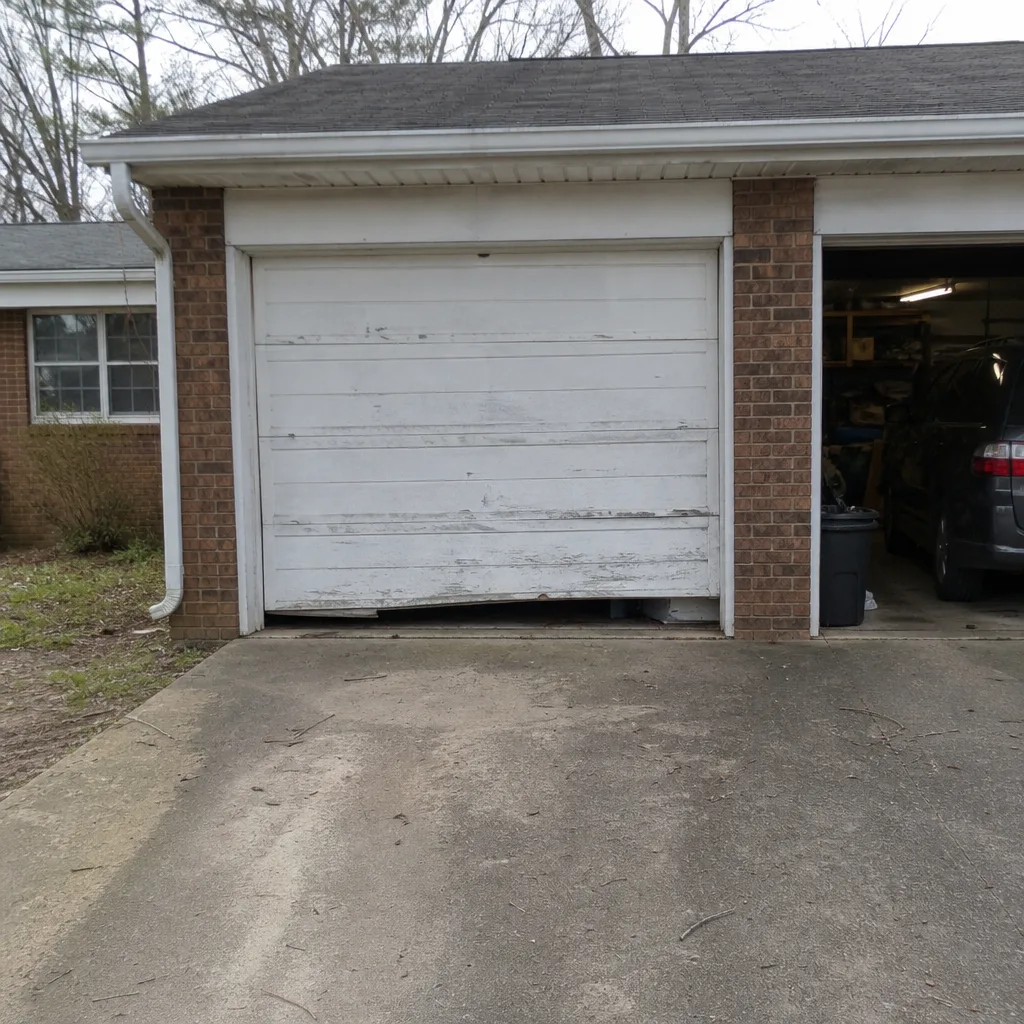 Before
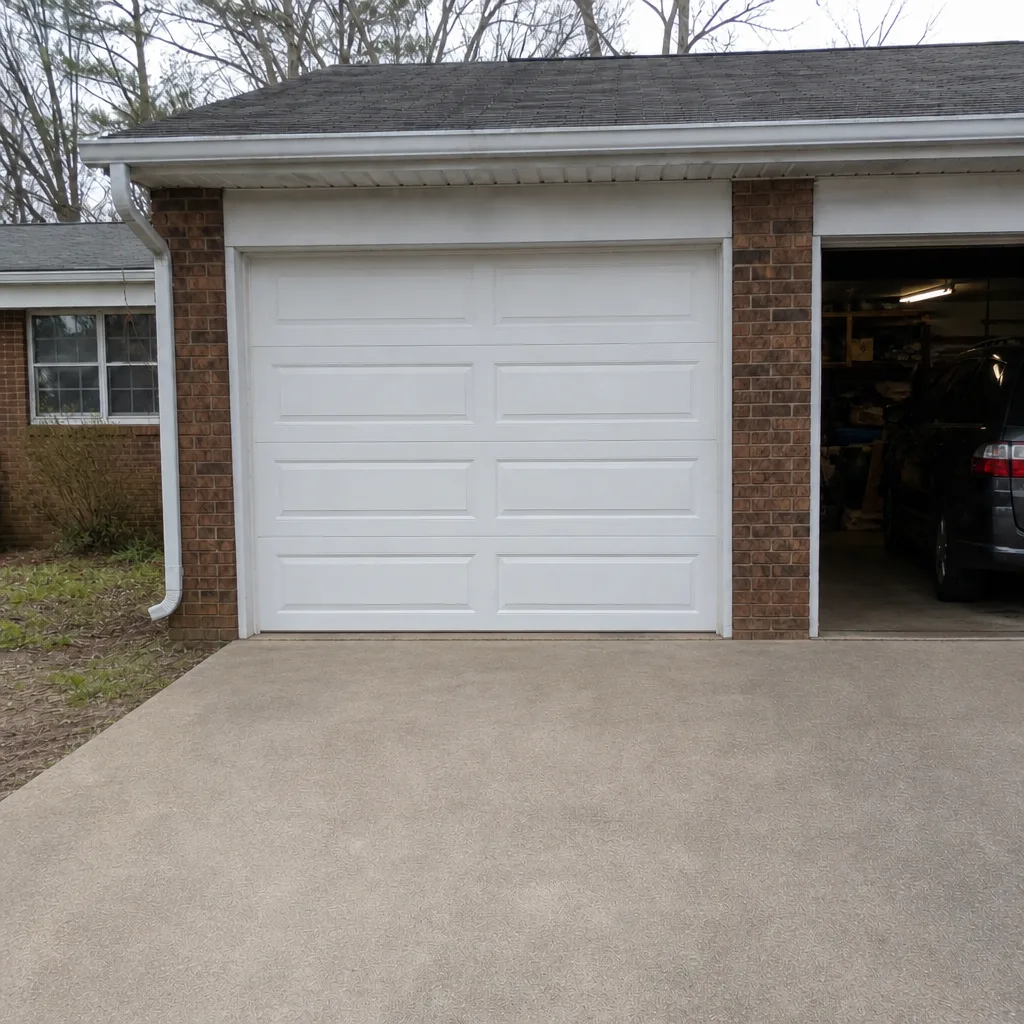 After
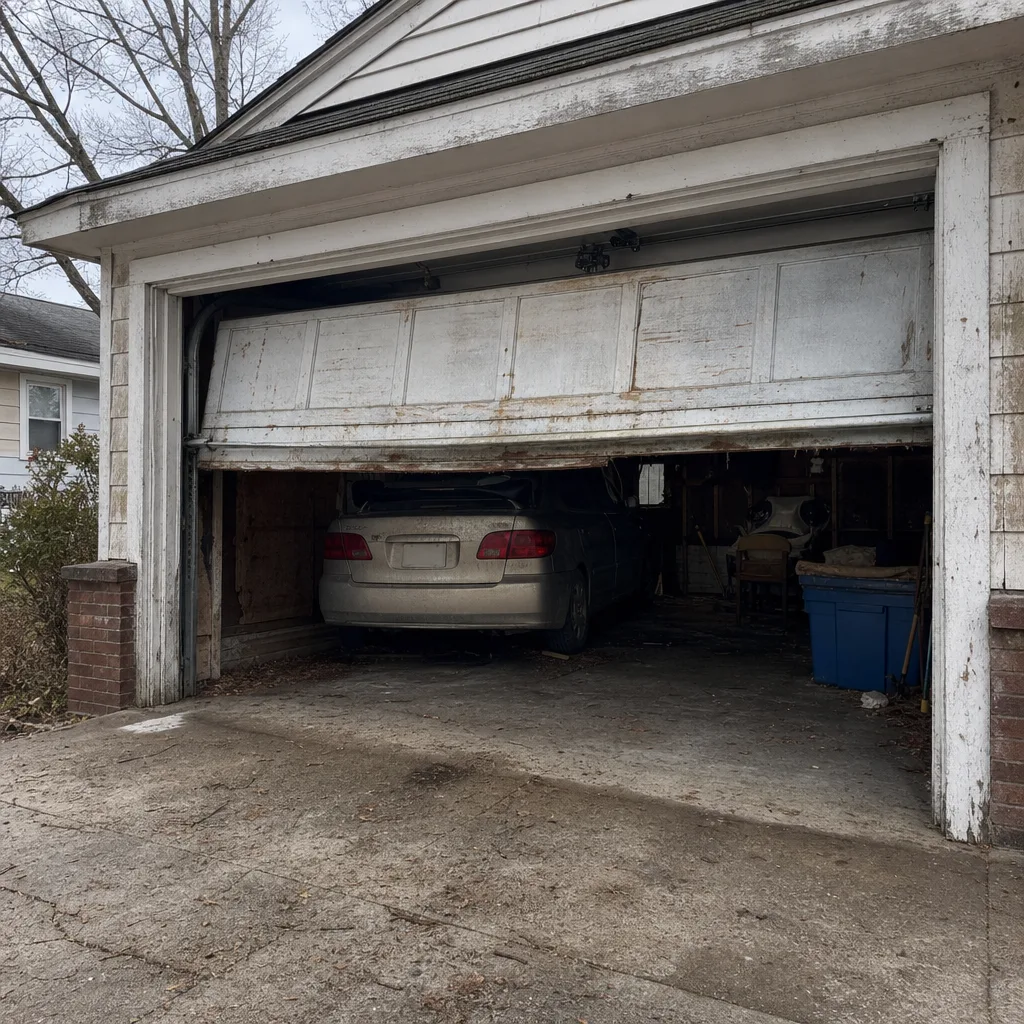 Before
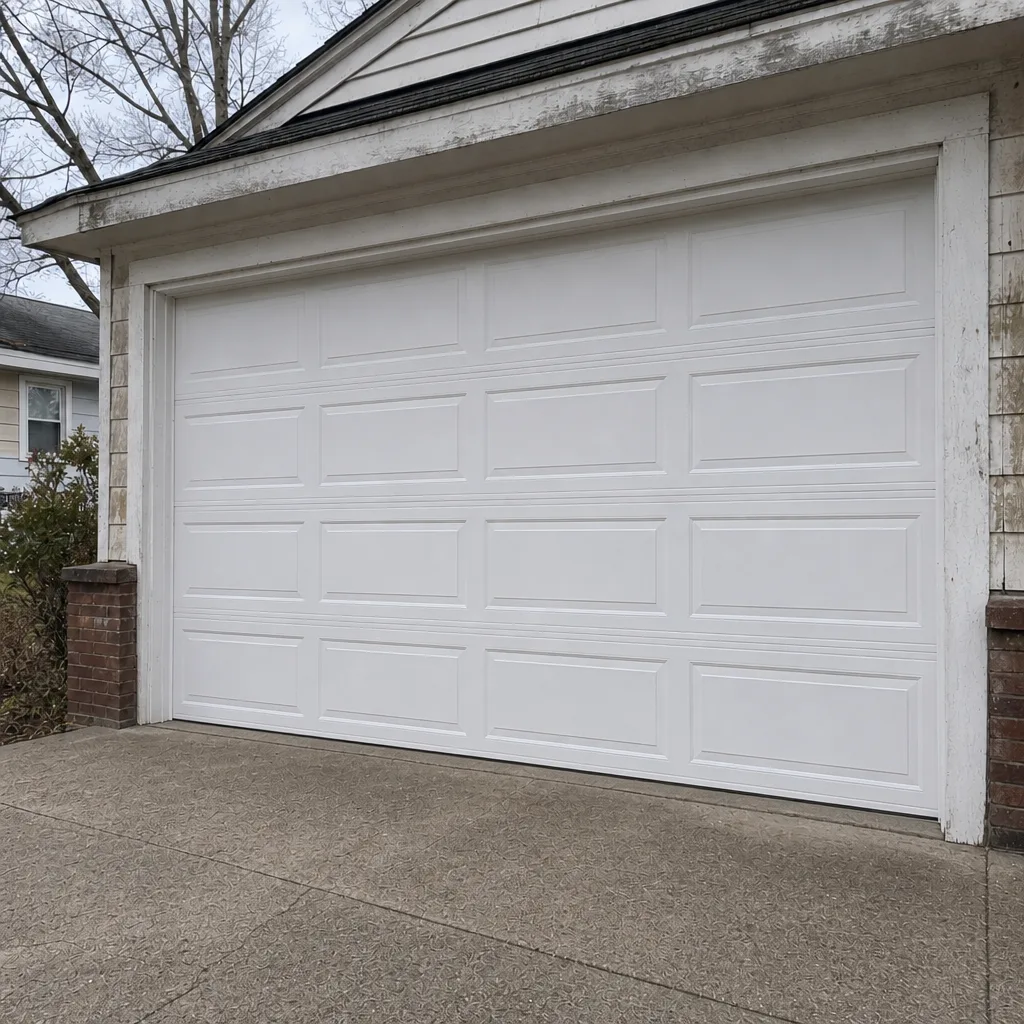 After
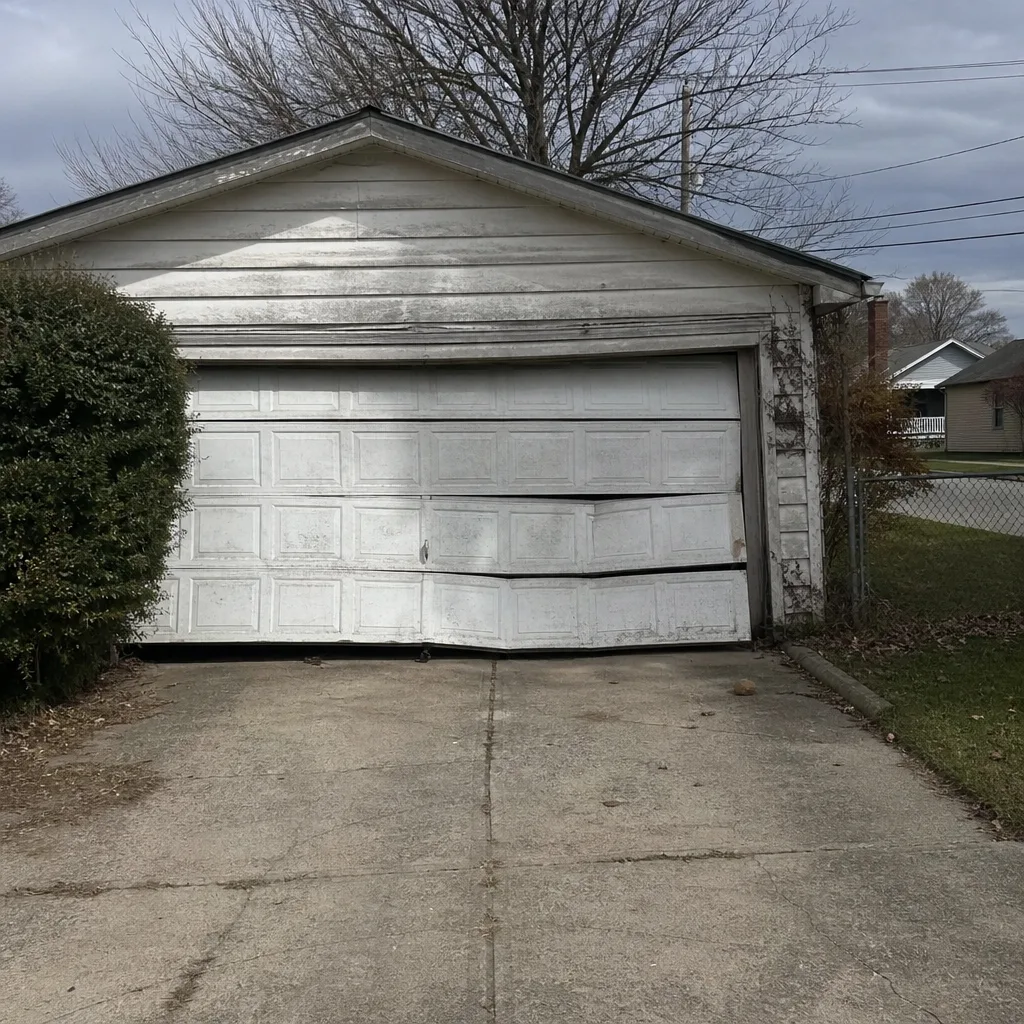 Before
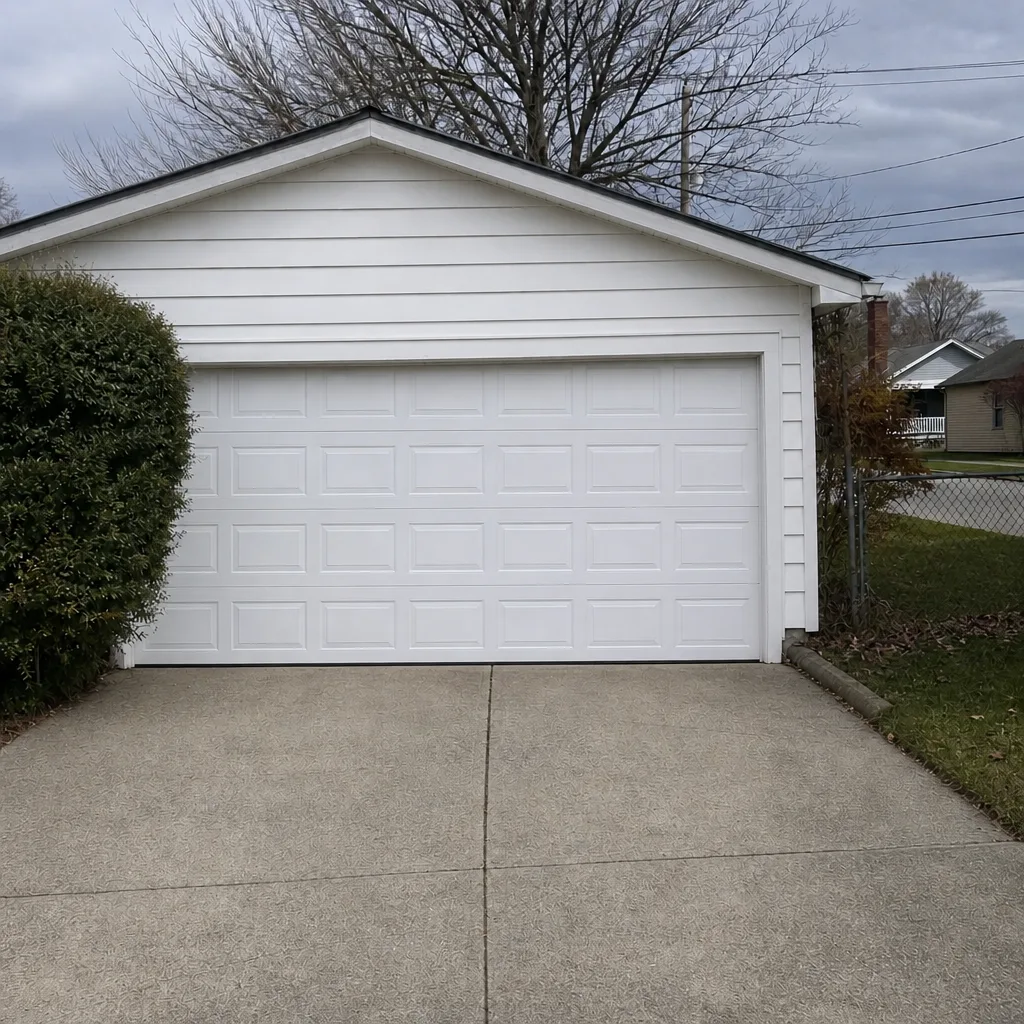 After
Frequently Asked Questions
It’s almost always a safety sensor issue, an out-of-adjustment limit switch, or a force setting that’s too sensitive. Start by wiping the sensor lenses and checking that both indicator lights are on and aimed at each other; if they’re clean and aligned, check the travel limits and force settings per your opener’s manual. If those are fine and the door still reverses, call (844) 791-5308 for an exact quote – estimates are free.
Spring repair is priced per spring, not per door, and a typical repair depends on the spring type, the door’s weight, and the hardware condition. Because a matched pair is usually replaced together, expect the pair to cost roughly twice a single spring. The written estimate sets the final price and the price is quoted and agreed before any work starts. Call (844) 791-5308 for an exact quote – estimates are free.
Emergency door service is a core part of what we do and same-day service is often available, so call and we’ll book the next opening. We answer 24/7. Fast dispatch from 7am to 7pm, Sunday through Friday. Same-day work is priced the same as any other day – the written estimate sets the price, and it’s quoted and agreed before any work starts.
Probably not. A running motor with a still door is usually a broken drive gear or a stripped belt, not a failed motor. The gear is a wear item and can be replaced on its own, and that’s a much smaller job than a new opener. Call (844) 791-5308 for an exact quote – estimates are free.
A crooked door is almost always a snapped or slack cable, not a bent track. The track gets blamed because it’s what looks wrong, but the cause is the cable letting go on one side and shifting the door’s weight. Stop using the opener and call a technician; cable work is not a homeowner task. Call (844) 791-5308 for an exact quote – estimates are free.
The local professionals we connect you with are licensed and insured as their state requires. Our technicians have up to 8 years of experience and are trained on high-tension spring work, which is one of the most safety-critical jobs in this trade. Call (844) 791-5308 for an exact quote – estimates are free.
The Bottom Line
Most garage door troubleshooting in Petersburg is a matter of matching a symptom to a component. A reversing door is talking about its sensors and limits. A door that hangs crooked is talking about a cable. A door that runs slow is talking about its springs. A motor that runs without moving the door is talking about a drive gear. Learn that map and you’ll quickly know which problems you can safely address and which ones belong to a technician. The line between those two is frictionless: anything under tension – spring, cable, or a track bearing the door’s weight – is a call. Everything else is a diagnostic. Our technicians have up to 8 years of experience on doors just like yours, we work on all eight major brands, and one call gets you repair and installation under the same specialist. When you’re ready, Petersburg Garage Door Repair Pros is a call away.
Call (844) 791-5308 for a free estimate. We answer 24/7. Fast dispatch from 7am to 7pm, Sunday through Friday.
Written by the team at Petersburg Garage Door Repair Pros.