
Last updated November 23, 2026
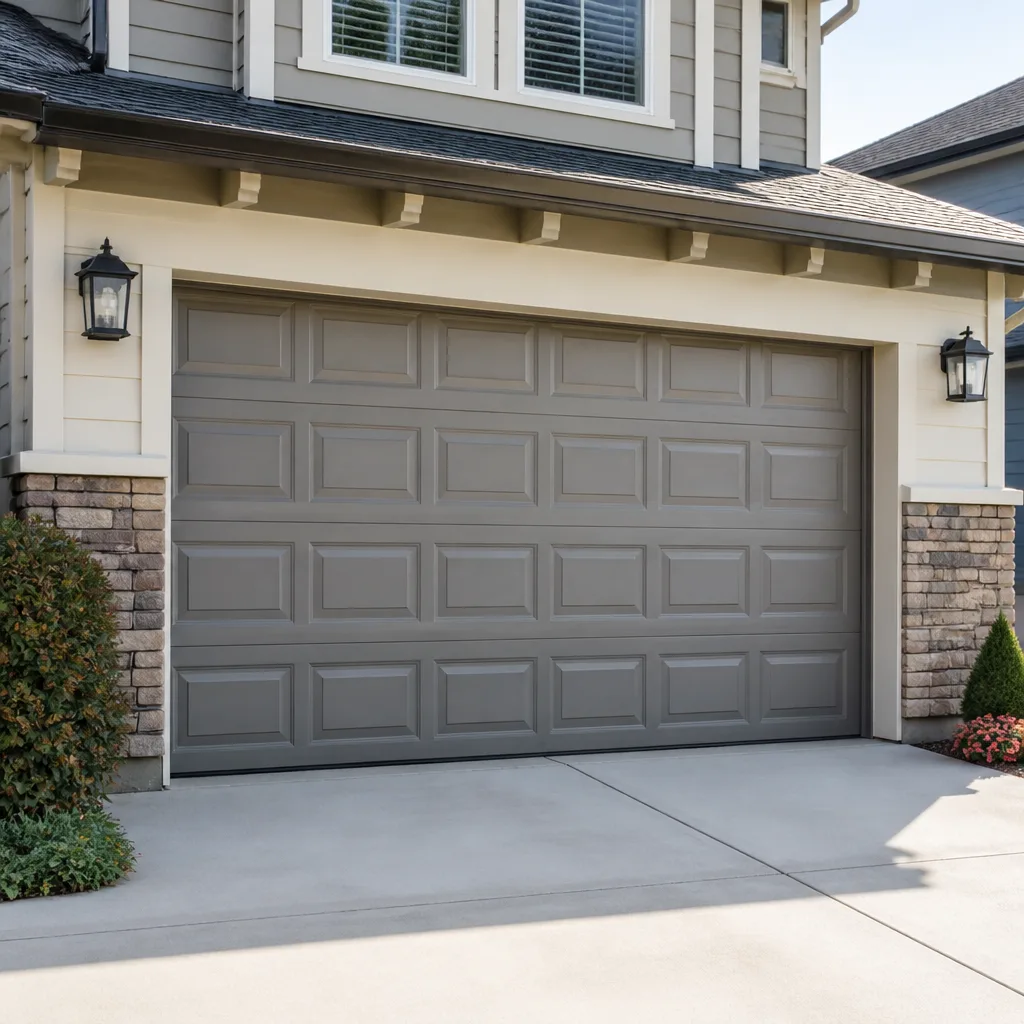 Raised-panel steel
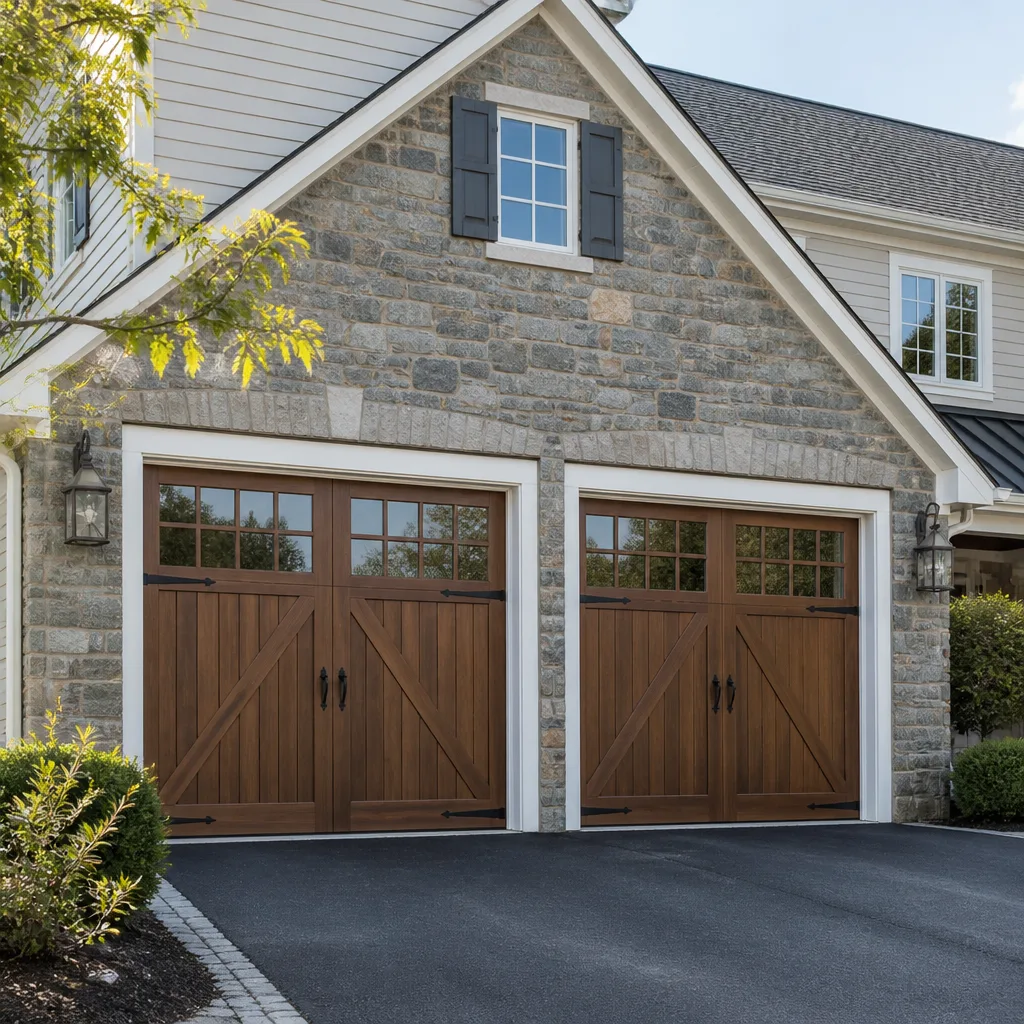 Carriage house
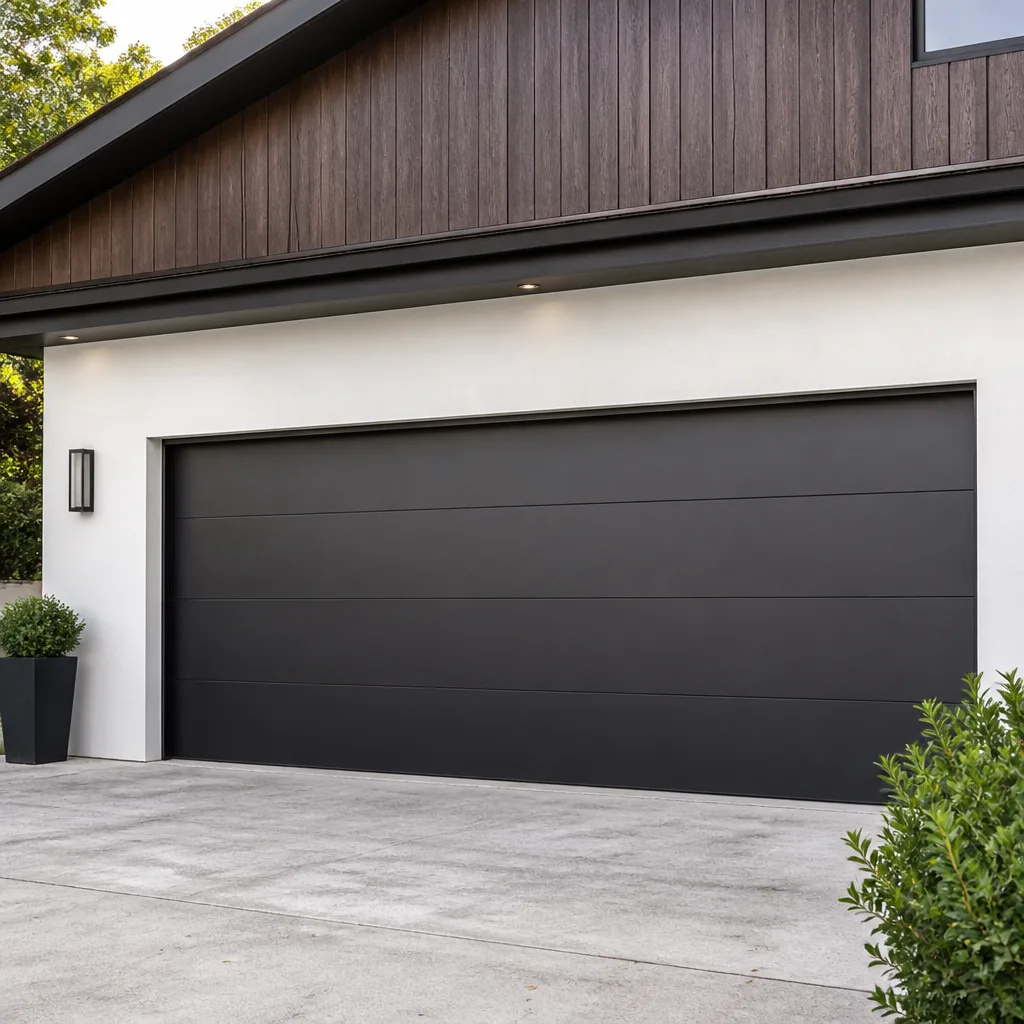 Modern flush
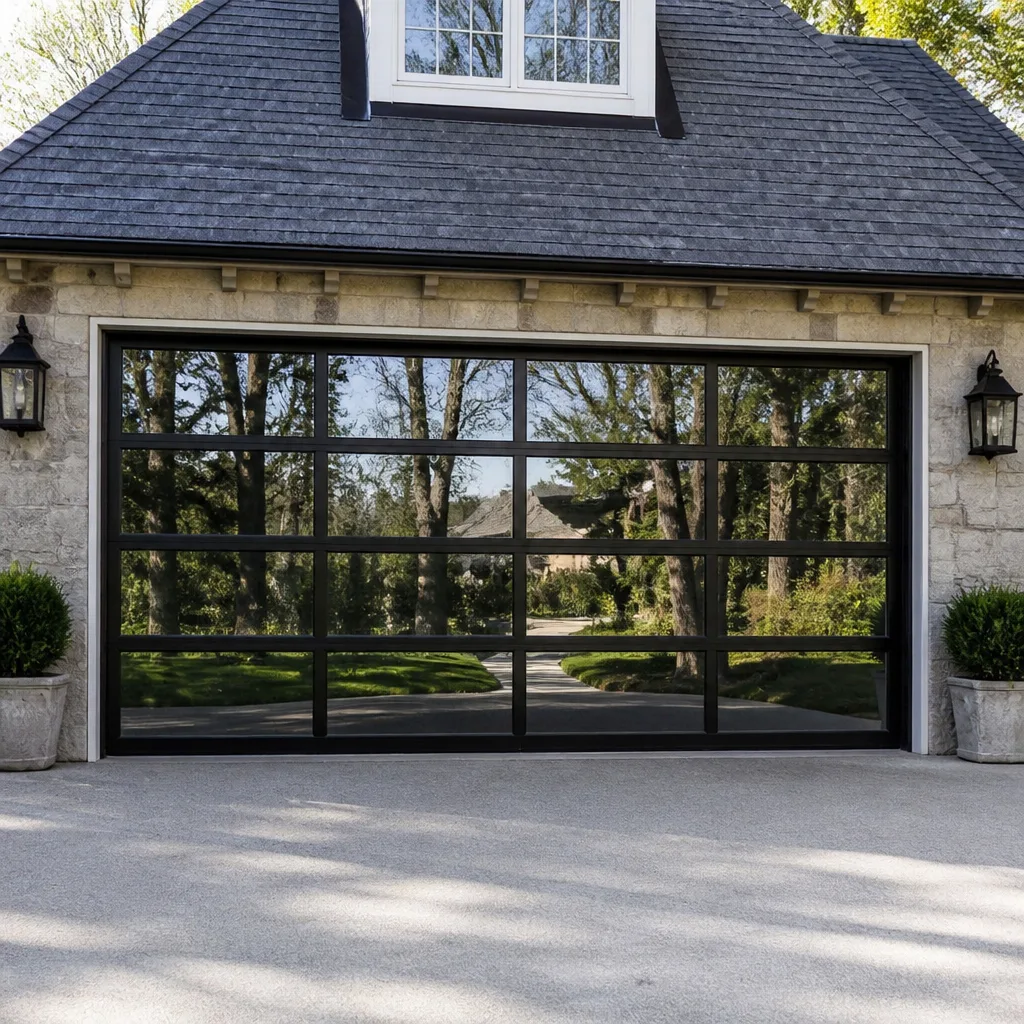 Full-view glass
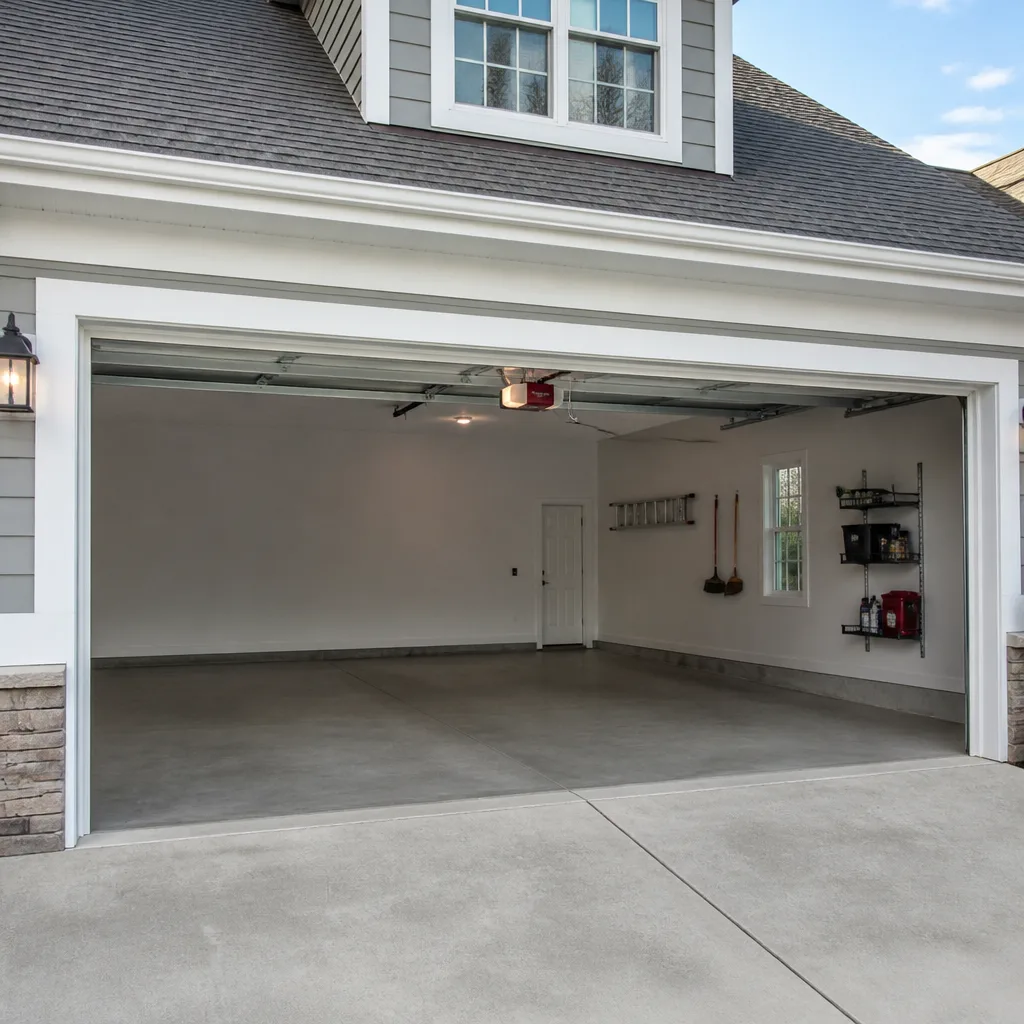 LiftMaster openers
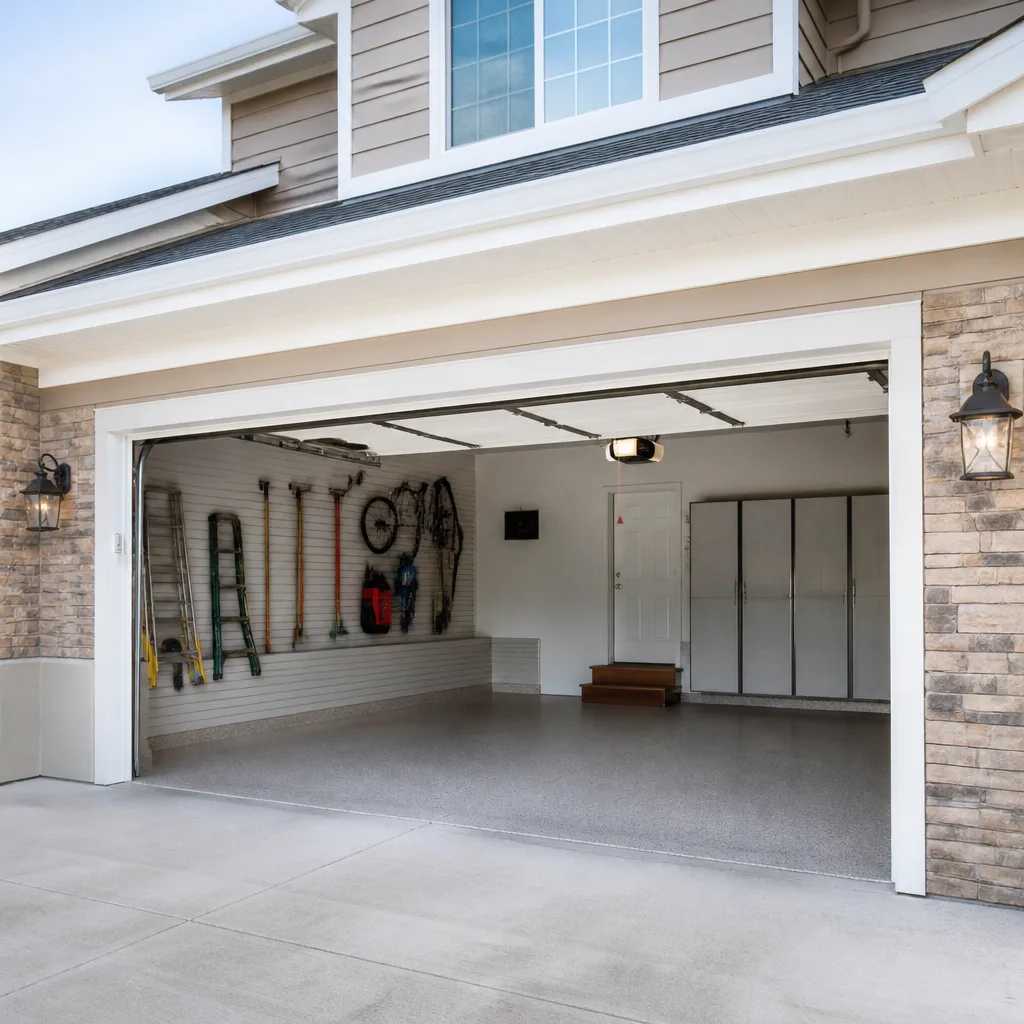 Chamberlain openers
Full 25-point door and opener safety check with every visit - springs, cables, rollers, tracks, and your LiftMaster or Chamberlain opener included
You get a price before we start. It does not change when the pro arrives.
Get your free estimateSeasonal Garage Door Care for Petersburg: Year-Round Homeowner’s Guide
Here’s the thing most seasonal checklists get wrong: they treat the year as one long “maintenance season” and hand you a list that’s just as valid in July as in January. In Petersburg, it isn’t. A garage door here lives through four genuinely different stress profiles, and the check that matters in September has almost nothing in common with the one that matters in February. The bottom seal that splits during a mid-winter ice event started failing back in October’s first cold snap, and a short inspection before the weather turned would have caught it cheap and early. That’s the premise of this guide – not vague “check your door” advice, but specific interventions timed to what’s actually happening to the springs, tracks, seals and opener in each part of the Petersburg year.
Quick Answer
A Petersburg garage door needs two anchor checks every year – cable drum inspection and torsion spring tension check – done roughly six months apart, plus timing-specific care: a pre-winter inspection in September before cold sets spring tension, seal and track-bracket attention through the December-to-February freeze-thaw cycle, post-winter lubrication in May, and opener sensitivity adjustment during July and August humidity. Season-specific care catches the small failures that turn into emergency calls.
Styles & brands we work with
- Raised-panel steel
- Carriage house
- Modern flush
- Full-view glass
- LiftMaster openers
- Chamberlain openers
Table of Contents
- Why September Is the Most Important Month for Your Petersburg Garage Door
- How Petersburg’s Freeze-Thaw Pattern Stresses Track Brackets and Bottom Seals
- May: The Post-Winter Lubrication Protocol
- July and August: Humidity, Opener Sensitivity and Phantom Reversals
- The Two Tasks That Happen Exactly Twice a Year
- Your Petersburg Garage Door Care Calendar at a Glance
- Common Mistakes to Avoid
- When to Call a Professional
Why September Is the Most Important Month for Your Petersburg Garage Door
The single highest-value inspection of the year happens before the first hard cold, and that means the middle of September. Summer in Petersburg loads the door with humidity, and everything that fails in winter got its start in that damp stretch. The wood and composite panels absorb moisture and swell slightly. Steel components collect condensation on cool mornings and dry by afternoon. Seals take on water and soften. None of that announces itself. It just quietly weakens the parts that cold weather is about to stress.
Here’s the mechanism that catches people out. Your torsion springs hold a specific tension that was set when the door was balanced. As temperatures drop, steel contracts, and that contraction changes the effective tension on the springs and the load on the cables and drums. A door that felt perfectly balanced in August can feel heavier or lighter by December. If a spring was already compromised by summer corrosion, the first real cold snap is when it lets go. We see a clear jump in spring failures as the season turns, and a September inspection catches the warning signs before that happens.
What a September inspection should cover:
- Spring condition: a light film of rust, a visible gap in a torsion spring coil, or a door that lifts unevenly are all reasons to have a trained technician look closely. Springs are under extreme tension and are not a homeowner adjustment.
- Bottom seal: run a hand along the rubber and check for cracks, hardening or separation from the retainer. A cracked seal lets in cold air, water and pests all winter.
- Weatherstripping and side seals: look for gaps at the jambs that will leak once the wind picks up.
- Track alignment: a track knocked slightly out of plumb over summer is a much bigger problem once the door shrinks and binds in the cold.
- Opener force and travel limits: confirm the opener reverses on contact and stops at the right points before the heavier winter load tests it.
This is also the moment to book any garage door repair you’ve been putting off. Small issues found in September are a scheduled fix. The same issue found in January is a Sunday emergency with the door stuck open in the cold. If a spring or cable needs attention, our garage door spring repair team handles high-tension work safely – that’s not a component to experiment with.
How Petersburg’s Freeze-Thaw Pattern Stresses Track Brackets and Bottom Seals
Petersburg doesn’t usually sit in a sustained deep freeze the way parts of Northern Virginia can. What we get instead is a freeze-thaw cycle – cold nights that drop below freezing, milder days that climb back above it, repeated through the winter. That pattern is harder on certain parts than a steady cold, and it stress-tests two components in particular: track brackets and bottom seals.
Think about what a freeze-thaw cycle does to the slab the door sits on. Water seeps under the bottom seal, freezes overnight, expands, then thaws during the day. Repeat that dozens of times over a winter and the seal gets worked from underneath, cracking and pulling away from its retainer. The same expansion and contraction cycle loosens the anchors that hold the track brackets to the jamb and floor. A bracket that’s backed out a quarter inch doesn’t seem like much – until the door starts rubbing the track because the geometry shifted. That’s when you get a door that runs rough, sticks partway, or grinds.
During the freeze-thaw months, watch for these signs:
- Daylight visible under the closed door, or a seal that stays flattened after the door lifts.
- A door that closes but doesn’t seal evenly along the floor.
- Rattling or a metallic knock when the door moves – often a loose bracket or track anchor.
- Ice buildup at the threshold that the door has to push through.
- Any track that looks tilted away from the jamb when you sight down it.
If you find a loose bracket or a track that’s moved, resist the urge to overtighten the bolts yourself. Track anchors are set to specific positions, and adjusting one can throw the whole door out of alignment. This is exactly the kind of check a trained technician makes quickly. Our technicians have up to 8 years of experience reading door geometry, so a bracket that’s backed out gets noticed and corrected before it damages the rollers or cables. For anything that’s clearly mechanical, call a pro rather than guessing – the door is a heavy moving system under tension.
May: The Post-Winter Lubrication Protocol
Winter is brutal on lubrication. Road salt tracked onto the slab, cold that stiffens grease, and months of dry cycling all strip the protective film off your moving parts. By May, the rollers, hinges and torsion hardware are often running drier than at any other point in the year. That’s why the spring lubrication pass matters more than the fall one – you’re restoring protection, not just topping it up.
This is where the WD-40 mythology does real damage. WD-40 is a penetrating oil and a water displacer, not a long-term garage door lubricant. Spray it on your rollers and hinges and it’ll feel smooth for a week, then evaporate and leave the parts drier than before. Worse, it can wash away whatever proper lubricant was there. What actually works on garage door hardware:
- White lithium grease or a dedicated garage door lubricant for hinges, rollers and the torsion bar bearings.
- Silicone spray for the bottom seal and weatherstripping, so the rubber stays flexible without collecting grit.
- Avoid heavy axle grease on the tracks – it attracts dust and grit, which wears rollers faster.
One important boundary: lubrication stops at the springs. Never put lubricant on a torsion spring coil as a “fix” for noise – a noisy spring can be a warning sign of a failing spring, and masking the symptom with grease is how small problems become dangerous ones. Springs under high tension should be inspected and, if needed, replaced by a trained professional, never adjusted or “lubed” by the homeowner.
The May lubrication pass is a good moment to look at rollers and hinges for wear, and to check the opener’s drive system. If you’ve been hearing grinding or the door feels jerky, that’s a sign of components past their service life, and it’s a good time to look at garage door opener repair before the summer heat puts more load on the system.
July and August: Humidity, Opener Sensitivity and Phantom Reversals
If you’ve ever had a garage door that suddenly reverses for no reason in the middle of summer, humidity is the likely culprit. Peak Petersburg humidity does two things: it swells wood and composite door panels, and it changes the friction inside the track and rollers. A door that was tuned perfectly in April now has slightly more resistance as it travels. Modern openers – especially LiftMaster and Chamberlain units with safety sensors – are designed to detect added resistance and reverse. That safety feature is working exactly as intended, but the door’s force settings were calibrated for drier conditions.
Why this catches people off guard is timing. The door doesn’t fail on a bright, dry day. It acts up on a muggy morning when the wood has swollen and the rollers are dragging. The homeowner assumes the opener is broken; often the opener is fine and the door needs rebalancing and its force settings checked against the actual resistance. Sometimes it’s the safety sensors – a spider web, condensation or a knocked sensor can trigger the same phantom reversal.
Here’s the summer checklist:
- Clean the safety sensors at the bottom of the tracks with a soft cloth, and confirm nothing blocks the beam.
- Check that the door travels smoothly by hand (with the opener disengaged) – uneven resistance points to rollers or track, not the opener.
- Look for swelling at the panel bottoms and along the stiles, especially on wood and composite doors.
- Have the opener’s force and travel limits checked once the door is balanced – don’t just crank up the force to force it through resistance.
- Keep the tracks clear of debris and check that the door isn’t rubbing against the frame as it closes.
If your door is a Wi-Fi or smart-home integrated unit – LiftMaster or Chamberlain’s myQ ecosystem, or a Genie or Craftsman opener – the app can sometimes flag a fault or report repeated reversals, which helps narrow things down. But if the door keeps reversing after a sensor clean and a resistance check, it’s time for a technician. Forcing a misadjusted opener to push a binding door is how you turn a small fix into a motor replacement.
The Two Tasks That Happen Exactly Twice a Year
Most of what we’ve covered is season-specific. Two checks are the exception, because they should happen on a fixed schedule regardless of what the weather’s doing: cable drum inspection and torsion spring tension check. These are the parts that carry the door’s weight and control its fall, and they fail without much warning. Twice a year – roughly September and March – is the right cadence.
Cable drum inspection. The drums are the grooved spools at each end of the torsion bar where the lift cables wind. Over time, cables can jump the drum groove, fray at the termination point, or show slack that shouldn’t be there. A cable that’s starting to fray is a serious safety issue – if it snaps, the door can drop or lurch. The inspection looks at cable condition, drum wear, and whether the cable wraps evenly. This is under high tension and not a homeowner job; a trained technician does it safely.
Torsion spring tension check. A torsion spring is a wound spring holding hundreds of pounds of force. Twice a year, a technician confirms the door is properly balanced – that it lifts with reasonable effort by hand and stays put when stopped halfway. A door that’s suddenly heavy, springy, or that slams closed is showing compromised tension. Springs can also develop a gap in the coil or visible rust that signals a future failure. A technician checks for these and replaces springs before they break. Again, this is the highest-safety-risk component on the whole door, and the check exists precisely because a failed spring can injure someone.
These two checks often get bundled with a general tune-up. A technician who’s already on-site for one can check drum condition and spring balance at the same time. If you’re not sure of your door’s history, this is the starting point – establish a baseline, then put both checks on a fixed twice-yearly schedule. If a spring is already failing, our garage door spring repair service handles the replacement with the safety it demands.
Your Petersburg Garage Door Care Calendar at a Glance
Here’s the whole year on one page. This is the condensed version of everything above, keyed to the month and to what the door is actually going through.
- September (pre-winter inspection): Full inspection before cold sets in. Spring condition, bottom seal, weatherstripping, track alignment, opener force and travel limits. Book any repair now while it’s a scheduled job.
- October (first cold snap): Re-check the bottom seal for hardening or cracks – this is when the summer’s moisture damage shows. Watch for a door that suddenly feels heavier.
- November – February (freeze-thaw): Monthly quick look at bottom seals and track brackets. Watch for daylight under the closed door, rattling, or a door that pushes through ice at the threshold.
- March (spring service): Cable drum inspection and torsion spring tension check. This is one of the two anchor checks of the year.
- May (post-winter lubrication): Apply proper lubricant to rollers, hinges and bearings after winter stripped them. Never lubricate the springs – inspect them instead.
- June (pre-summer check): Confirm rollers and hinges aren’t worn, and check the opener drive for grinding or jerking.
- July – August (humidity season): Clean safety sensors, check for swollen panels and added resistance, and have opener force settings verified against the actual door load.
- Throughout: Listen for new noises each time you use the door. Grinding, banging, or a door that reverses for no reason is a signal to inspect, not to push harder.
None of these tasks are complicated, and most take a few minutes. The two that carry real risk – the spring tension check and the cable drum inspection – belong in a technician’s hands. The point of the calendar is to catch small issues early and to know exactly when to take the door out of the “DIY” column and put it in professional ones.
Common Mistakes to Avoid
- Lubricating the torsion springs. A noisy spring is a warning, not a squeaky hinge. Greasing it hides the symptom while the real problem – compromised tension or corrosion – gets worse. Springs should be inspected by a trained technician, never greased by the homeowner.
- Using WD-40 as a garage door lubricant. It’s a water displacer, not a lasting lubricant, and it can wash away proper grease. In Petersburg’s humid summers and freezing winters, the right product (white lithium or a dedicated door lubricant) is the difference between smooth operation and accelerated wear.
- Skipping the September inspection because the door “still works.” Most winter spring failures don’t begin in winter. They begin with summer corrosion that isn’t visible until the cold arrives. A pre-season check is a cheap fix; a January emergency is not.
- Adjusting the opener’s force limits to push through resistance. When a door binds in summer humidity or winter cold, cranking up the opener’s force makes it push harder and masks the real cause – track alignment, rollers, or a failing spring. The opener’s safety feature exists to warn you, not to be overridden.
- Overtightening track bracket bolts. During freeze-thaw, brackets loosen, and the instinct is to wrench them tight. Track anchors are set to specific positions, and over-torquing can pull the track out of alignment. A single loose bracket is worth a professional look, not a guessing game.
- Assuming a reversing door means a broken opener. In summer, reverse-for-no-reason is often humidity swelling the panels and adding resistance, or a dirty safety sensor. Check the sensors and resistance first; if the door travels fine and the sensors are clean, have the opener evaluated.
- Ignoring the bottom seal through winter. A cracked seal lets cold air, water and pests in, and it lets water pool at the threshold where the freeze-thaw cycle does its damage. A caulked seal in fall is a much better winter than a flooded, freezing threshold in January.
See the difference
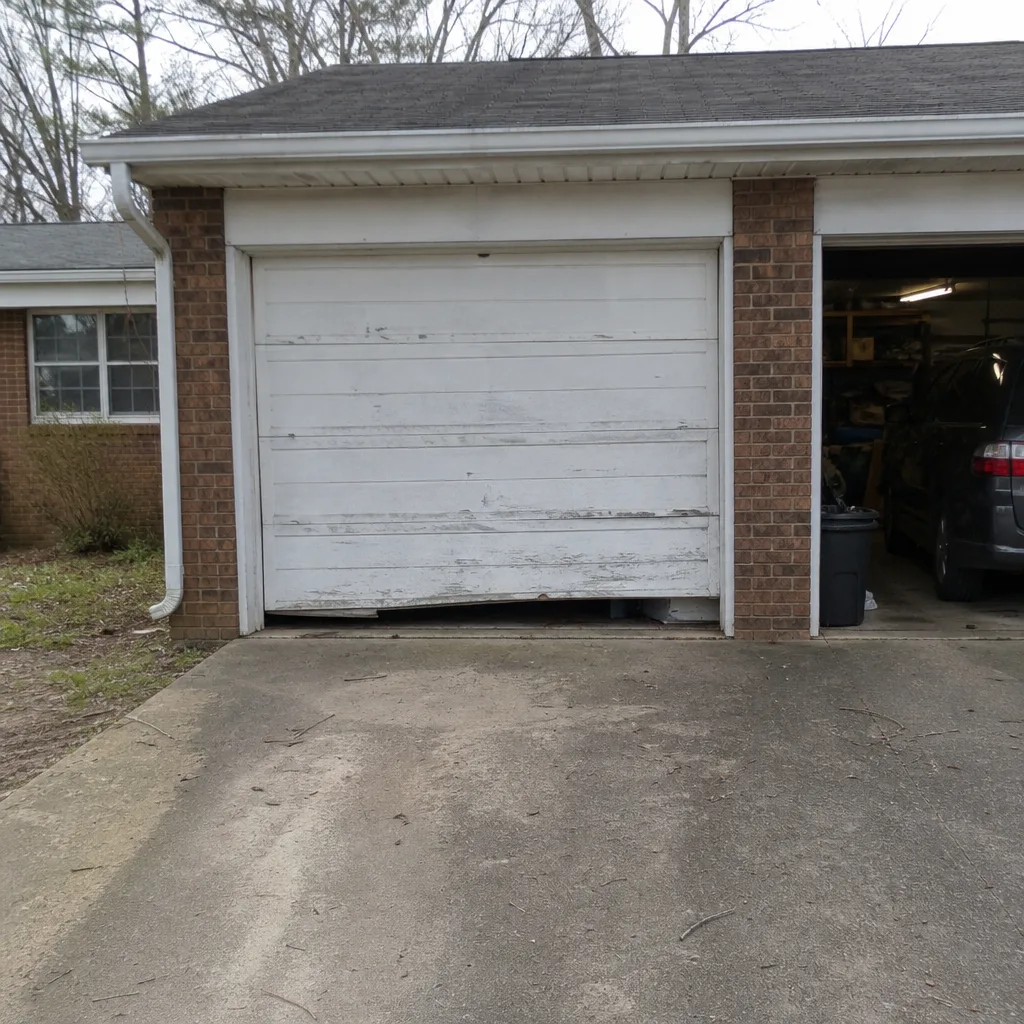 Before
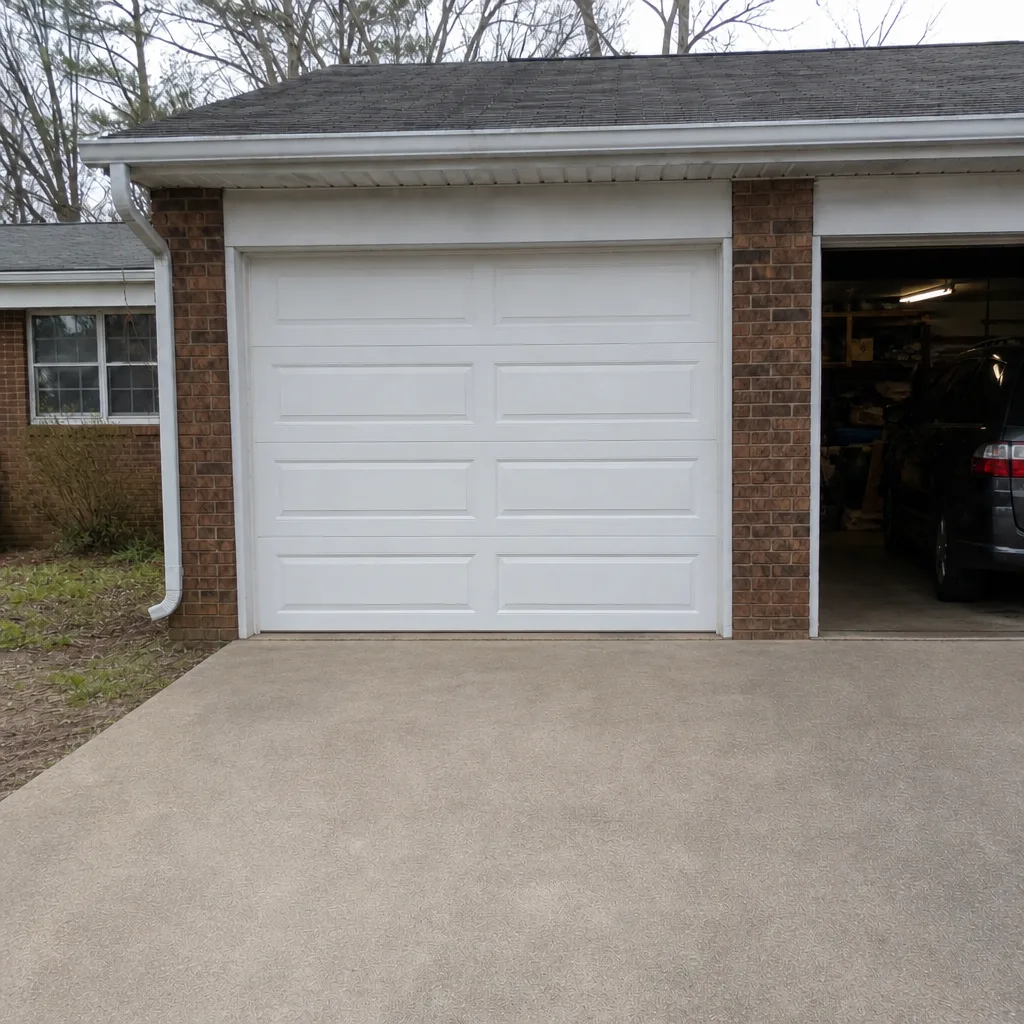 After
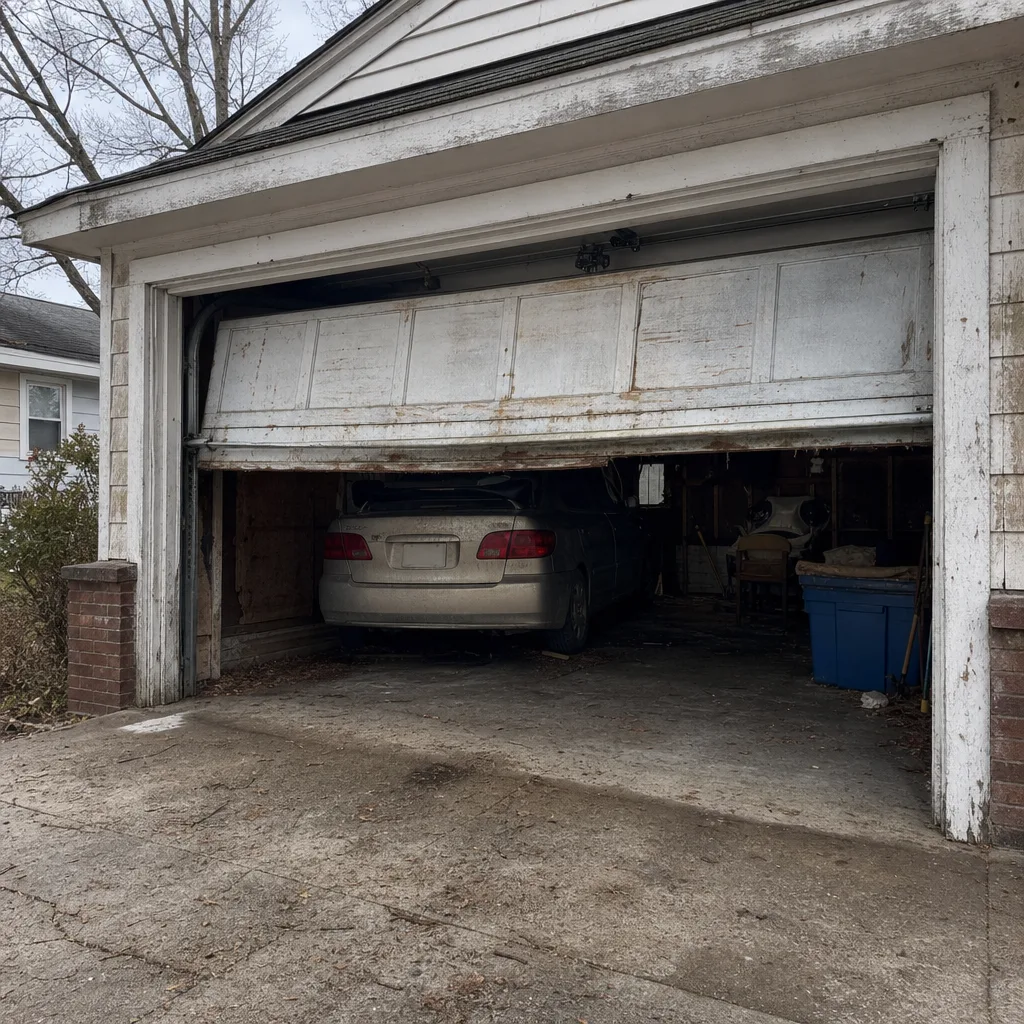 Before
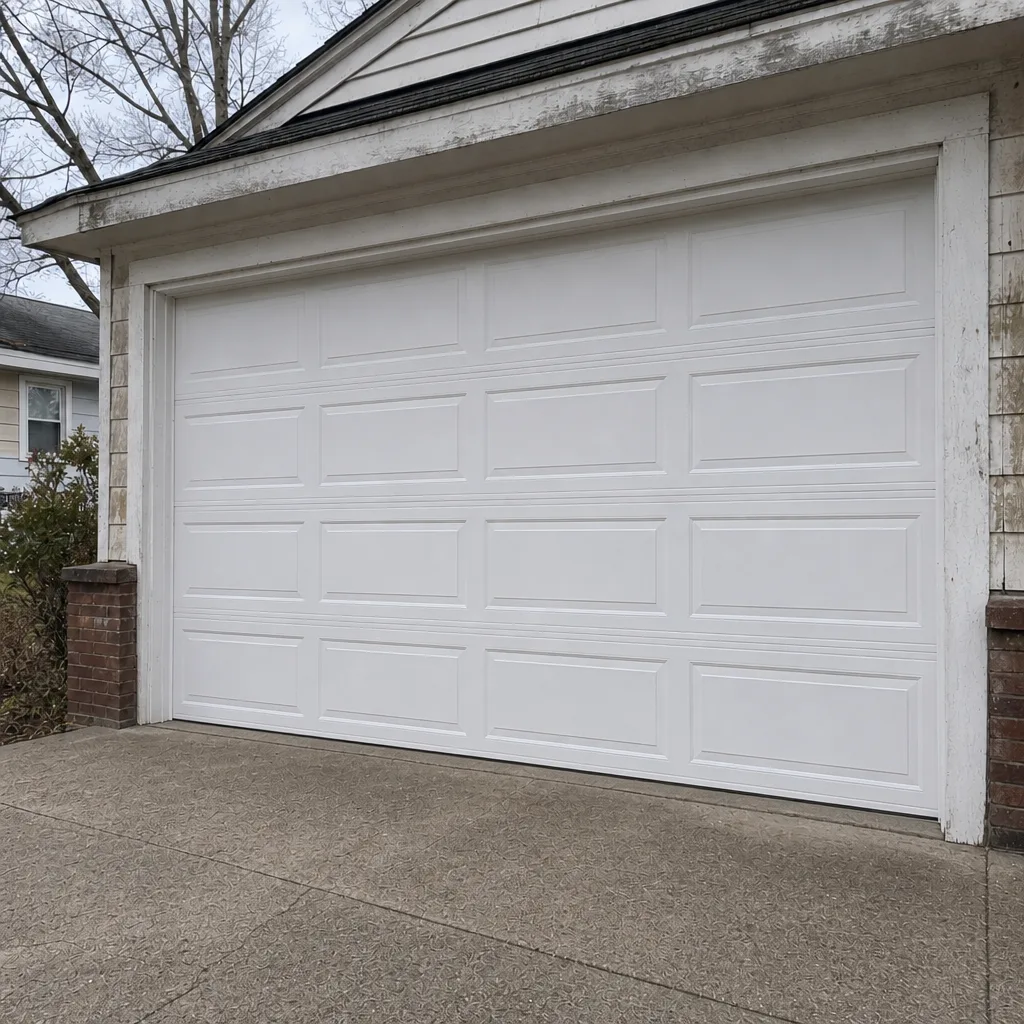 After
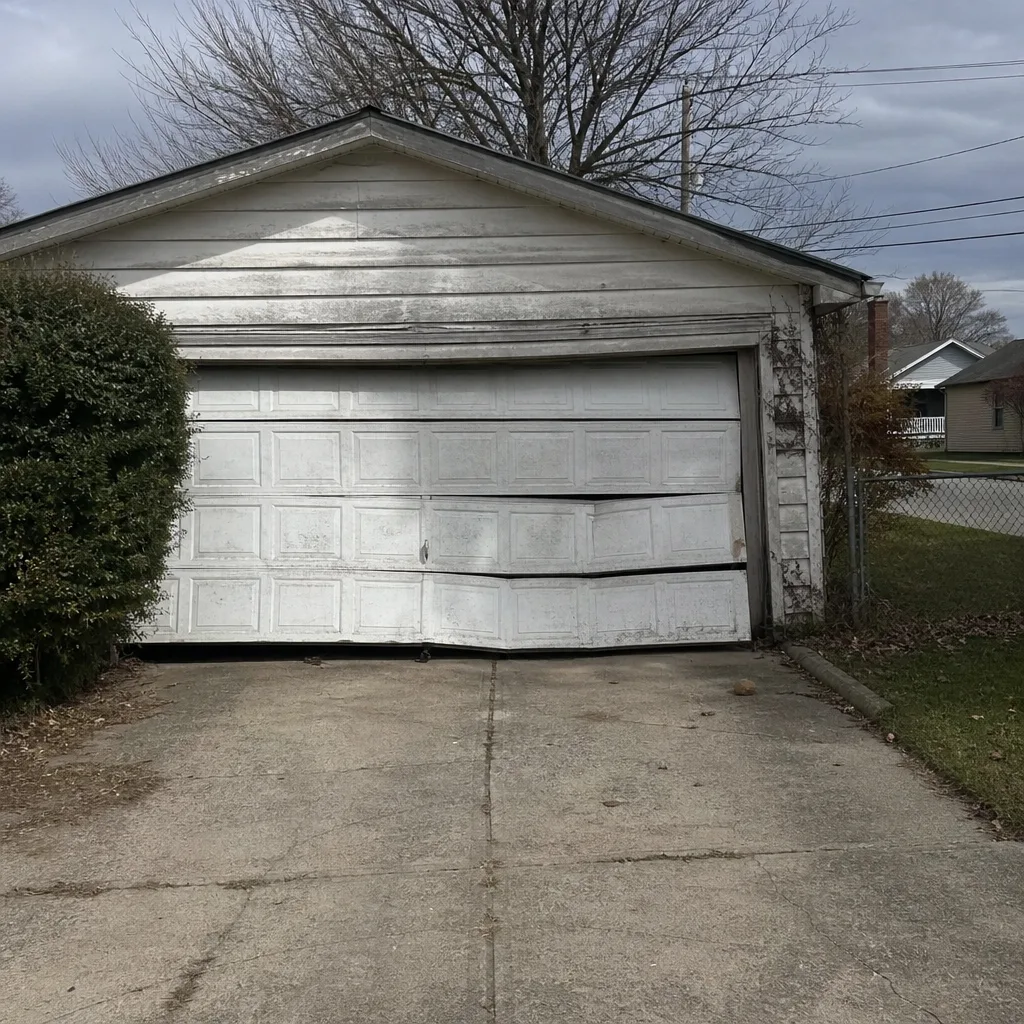 Before
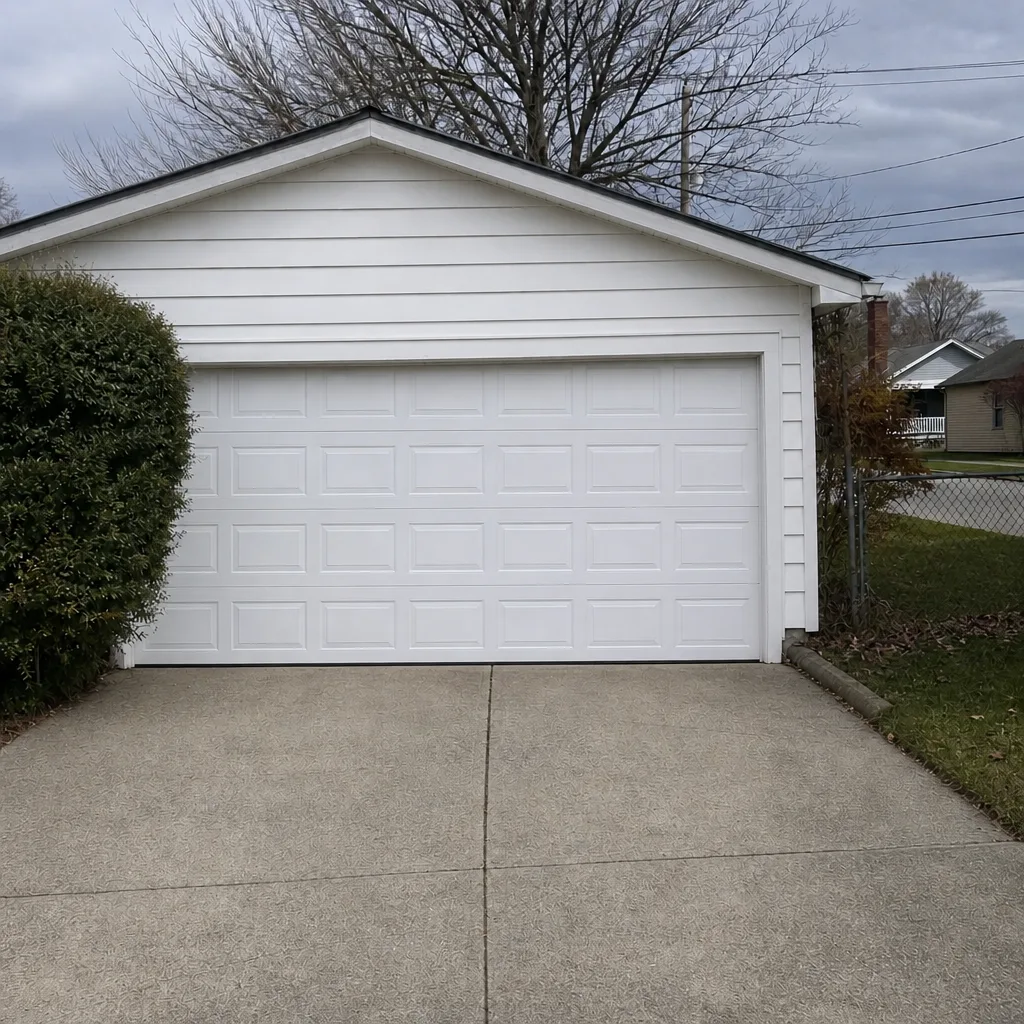 After
When to Call a Professional
Most of this guide is about tasks you can safely do yourself or schedule. There are specific situations where a call is the right move: a door that reverses or won’t close, a spring that breaks or visibly sags, a cable that’s frayed or slack, a door that’s clearly out of balance, a track that’s bent or shifted, a bracket that’s come loose, or an opener that’s grinding or jerking despite the door moving freely. If any of those are happening, stop cycling the door and call. Petersburg Garage Door Repair Pros offers free estimates in Petersburg – call (844) 791-5308. We answer 24/7, and fast dispatch from 7am to 7pm, Sunday through Friday, gets a technician to you when it matters. Emergency service isn’t a side offering for us – it’s a core part of what we do, and it’s why a door that’s stuck open at night doesn’t have to wait until morning.
Frequently Asked Questions
Twice a year, minimum – typically September and March. The September visit catches summer humidity damage and the pre-winter spring condition, while the March visit re-checks the cable drums and torsion spring tension after the freeze-thaw season. A garage door in Petersburg faces four different seasonal stress profiles, so a fixed twice-yearly tune-up keeps it on track. If you’re noticing noise, uneven travel or a reversing door between visits, call before November. Call (844) 791-5308 for a free estimate – we’ll check the balance and spring condition.
It’s usually humidity, not a failed opener. Petersburg summer humidity swells wood and composite panels and adds friction to the track and rollers, and the door’s force settings were calibrated for drier conditions. Safety sensors triggered by condensation or a spider web are the other common cause. Clean the sensors first, then check whether the door travels freely by hand. If the resistance is real, the opener’s force and travel limits need adjusting against the actual door load. Call (844) 791-5308 if the door keeps reversing after the sensor check – a misadjusted door can wear out faster.
You can look, but not touch. A torsion spring holds hundreds of pounds of tension, and a spring that breaks or slips can cause serious injury. A homeowner can safely note a visible gap in the coil, rust, or a door that suddenly feels heavy – then call. A technician checks the actual tension and the balance. Call (844) 791-5308 and we’ll handle the spring inspection and any garage door spring repair with the safety it demands.
In a different way, yes. Petersburg sees a freeze-thaw pattern – cold nights, milder days, repeated through winter – rather than a sustained deep freeze. That repeated expansion and contraction is harder on bottom seals and track brackets, the parts that sit at or near the slab. The repeated freezing lifts seals and loosens anchors over a season. That’s why the seal and bracket checks are such a big part of the Petersburg winter care routine.
Use white lithium grease or a dedicated garage door lubricant for hinges, rollers and bearings, and silicone spray for the bottom seal and weatherstripping. Avoid WD-40 – it’s a water displacer, not a lasting lubricant, and it can wash away proper grease. In Petersburg’s humidity and winter cold, the right product keeps rollers and hinges from stiffening. Never lubricate the torsion springs – a noisy spring should be inspected by a technician, not greased. Call (844) 791-5308 if you’re hearing spring noise or grinding.
Usually, yes – that’s the point of the September check. A failing torsion spring shows warning signs before it breaks: visible rust, a gap in the coil, or a door that feels uneven or heavy. A trained technician catches these in September and schedules a replacement before the cold snap does the work. If you notice a loud bang from the garage or a door that won’t lift, stop and call (844) 791-5308 for emergency help – don’t keep cycling a door with a broken spring.
The Bottom Line
The core idea here is that Petersburg’s seasonal care isn’t a generic list – it’s four different jobs spread across the year. September’s inspection catches summer moisture damage before the cold sets spring tension. The December-to-February freeze-thaw cycle is when track brackets and bottom seals need watching. May is the post-winter lubrication pass, with the right products and not WD-40. July and August humidity is when opener sensitivity and phantom reversals show up. And the two checks that never wait for the weather – cable drum inspection and torsion spring tension – belong on a fixed twice-yearly schedule. Do that, and the worst winter surprise becomes a routine September fix instead of a cold emergency.
If you want help setting up a care plan, or you’ve spotted something on your door that needs a trained eye, Petersburg Garage Door Repair Pros offers free estimates in Petersburg. Call (844) 791-5308 for a free estimate. We answer 24/7. Fast dispatch, 7am-7pm, Sunday through Friday. We work on your brand – from LiftMaster openers to Wayne Dalton and Raynor doors – so the diagnosis starts from how your system actually works.
Written by the team at Petersburg Garage Door Repair Pros.