
Last updated November 23, 2026
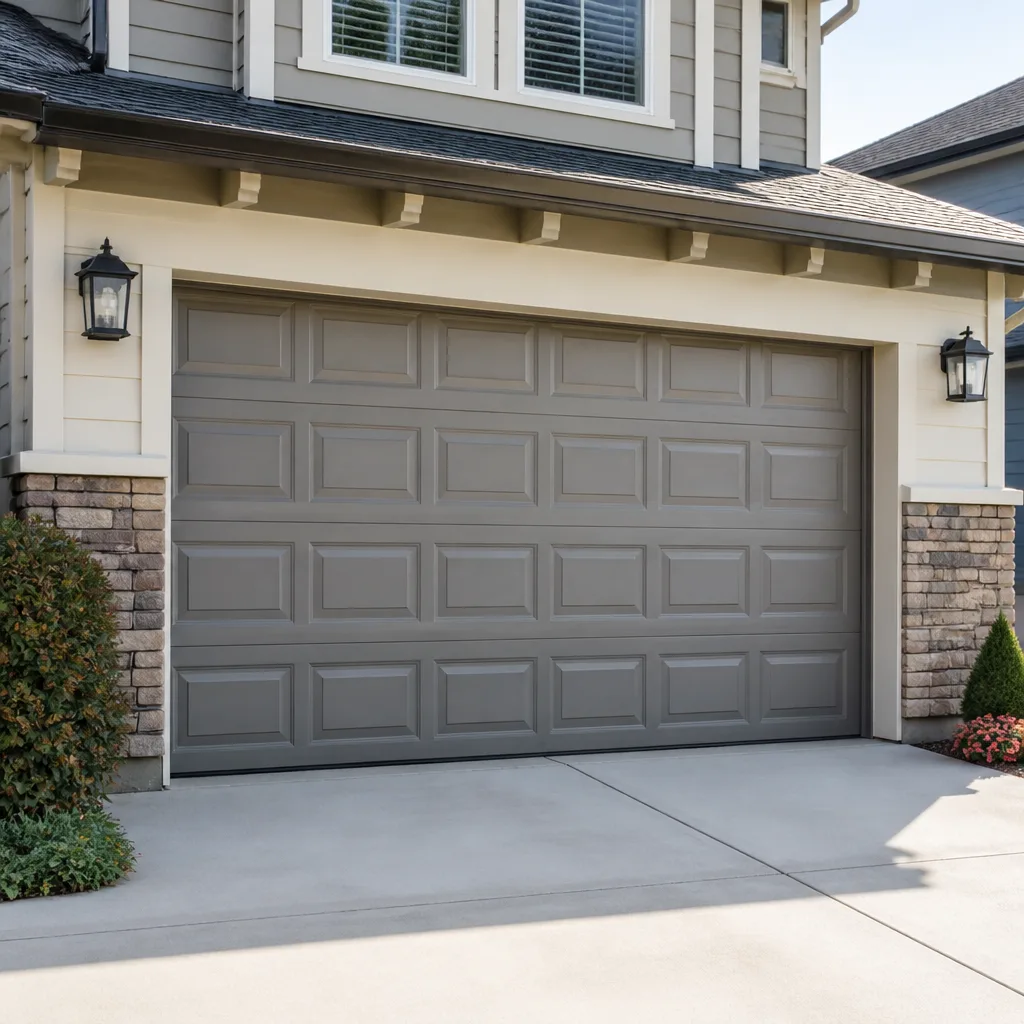 Raised-panel steel
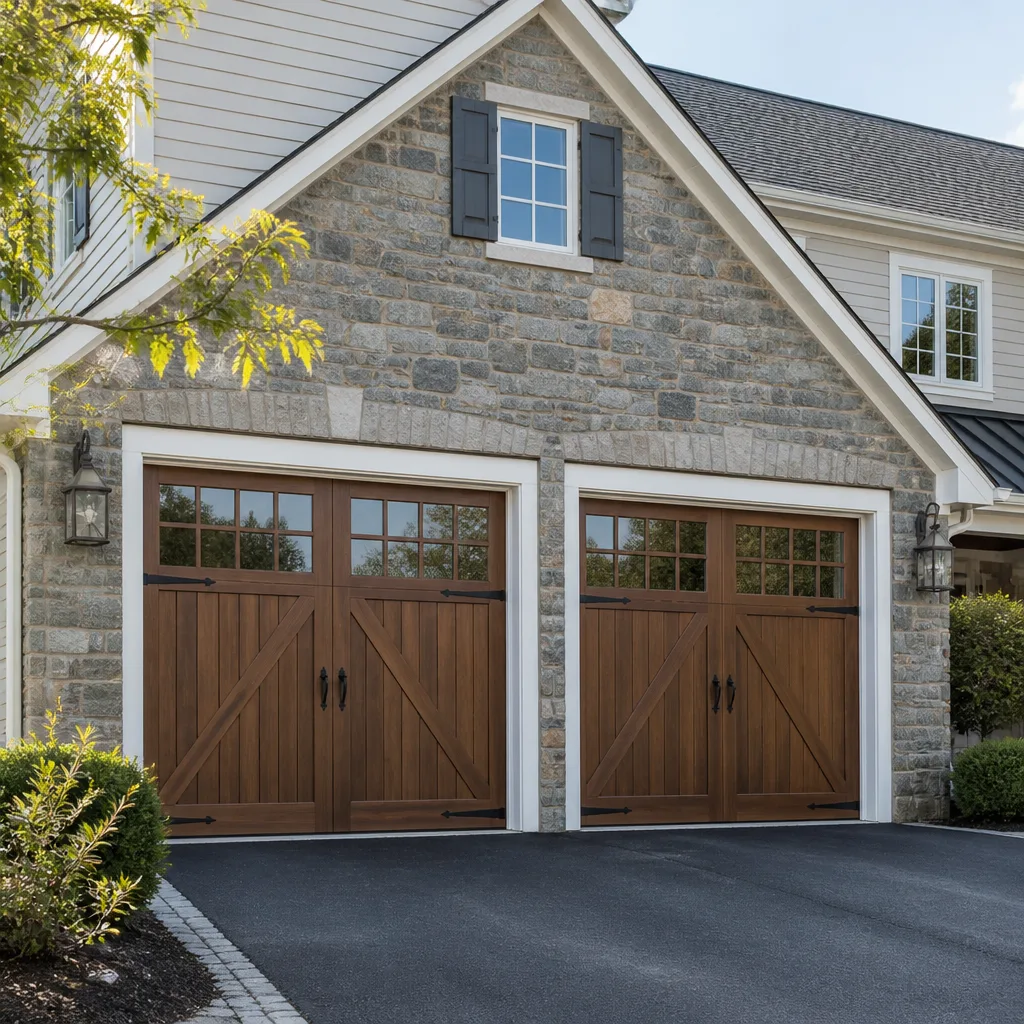 Carriage house
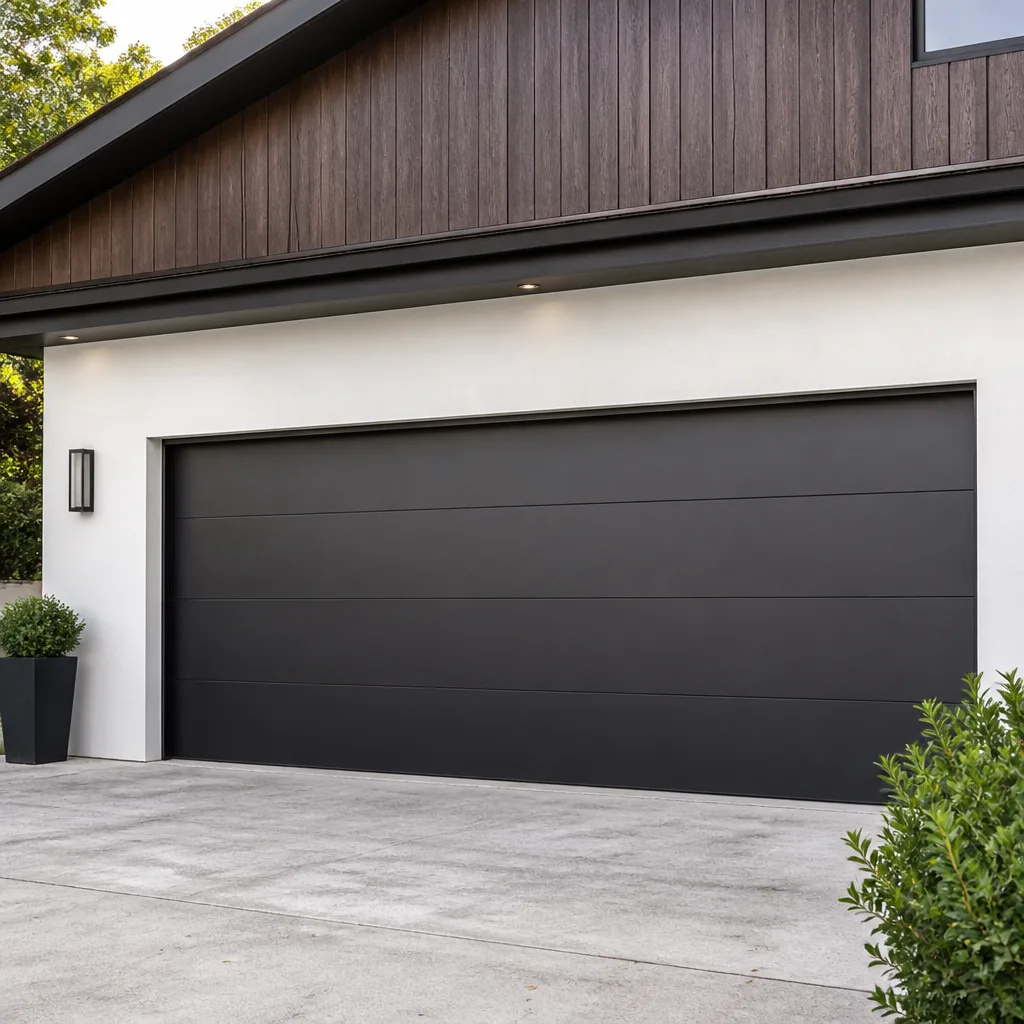 Modern flush
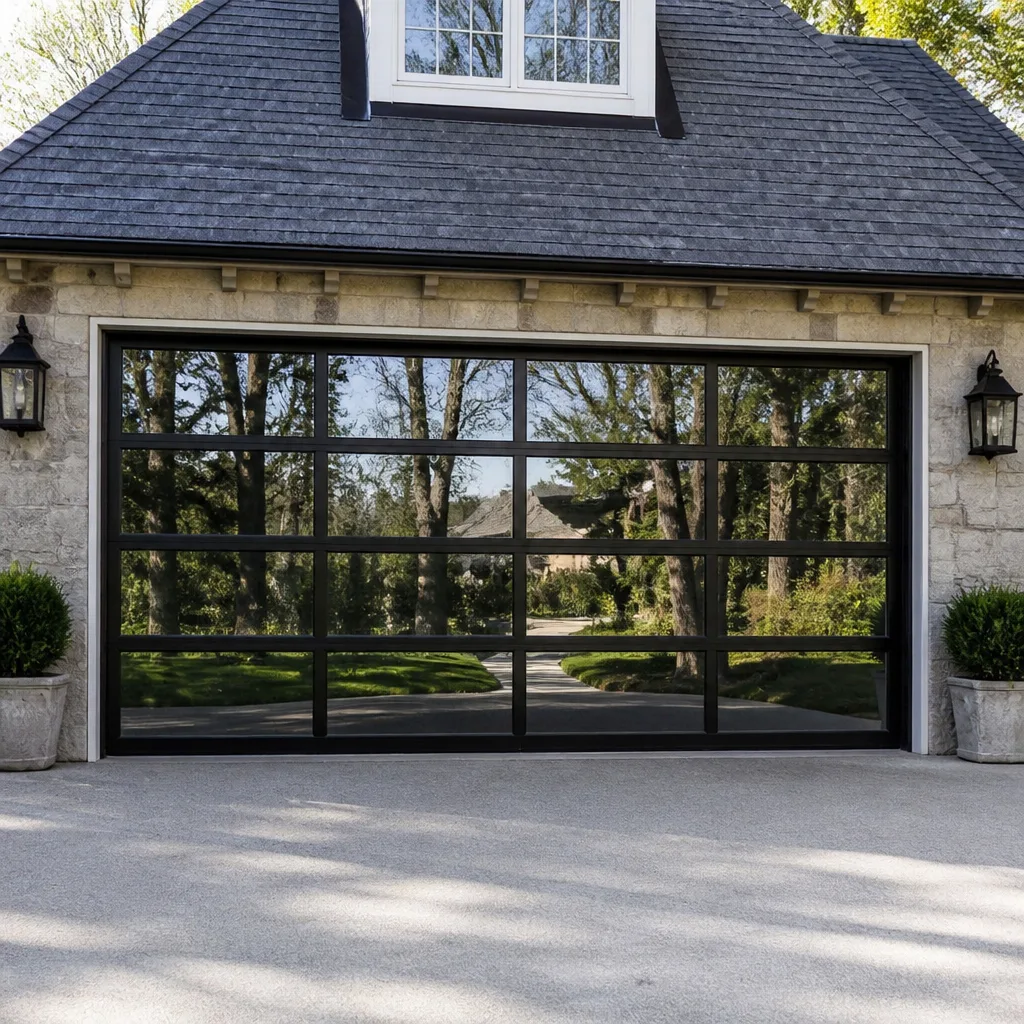 Full-view glass
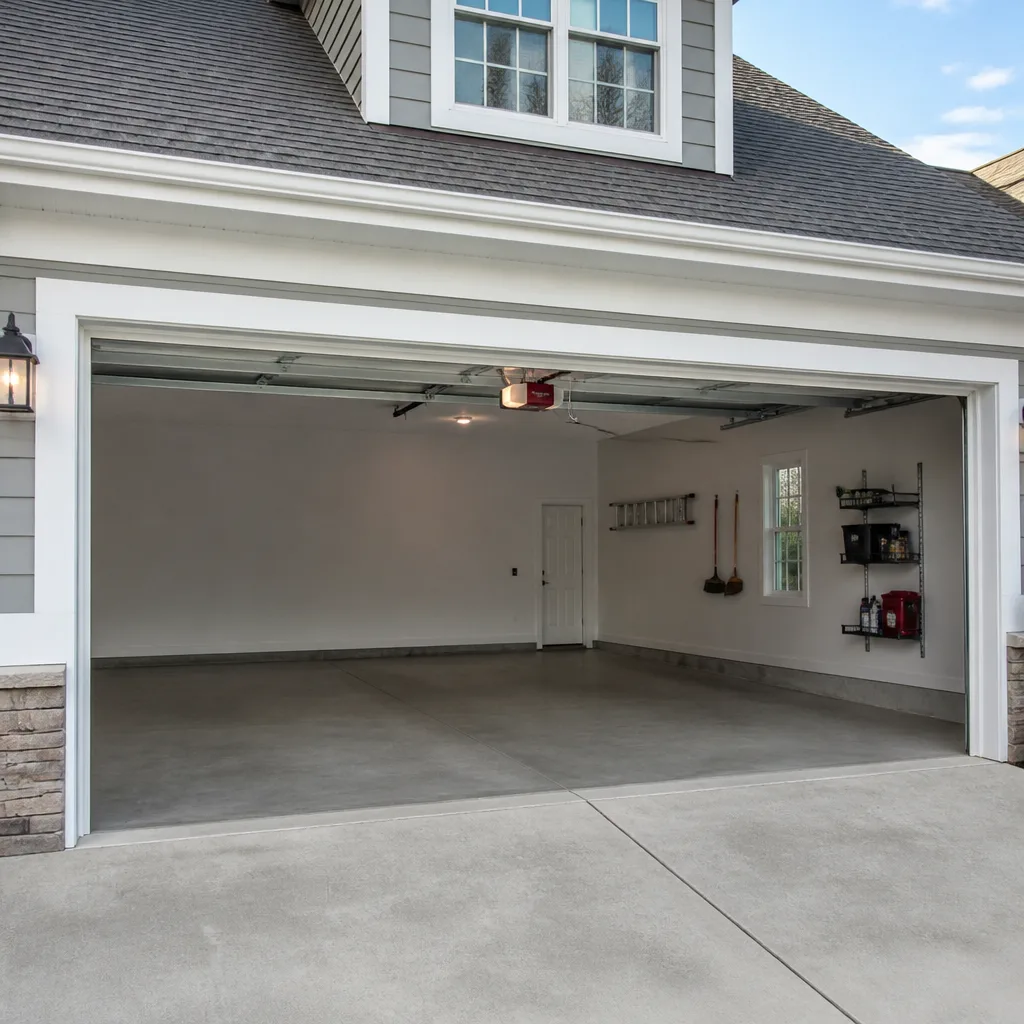 LiftMaster openers
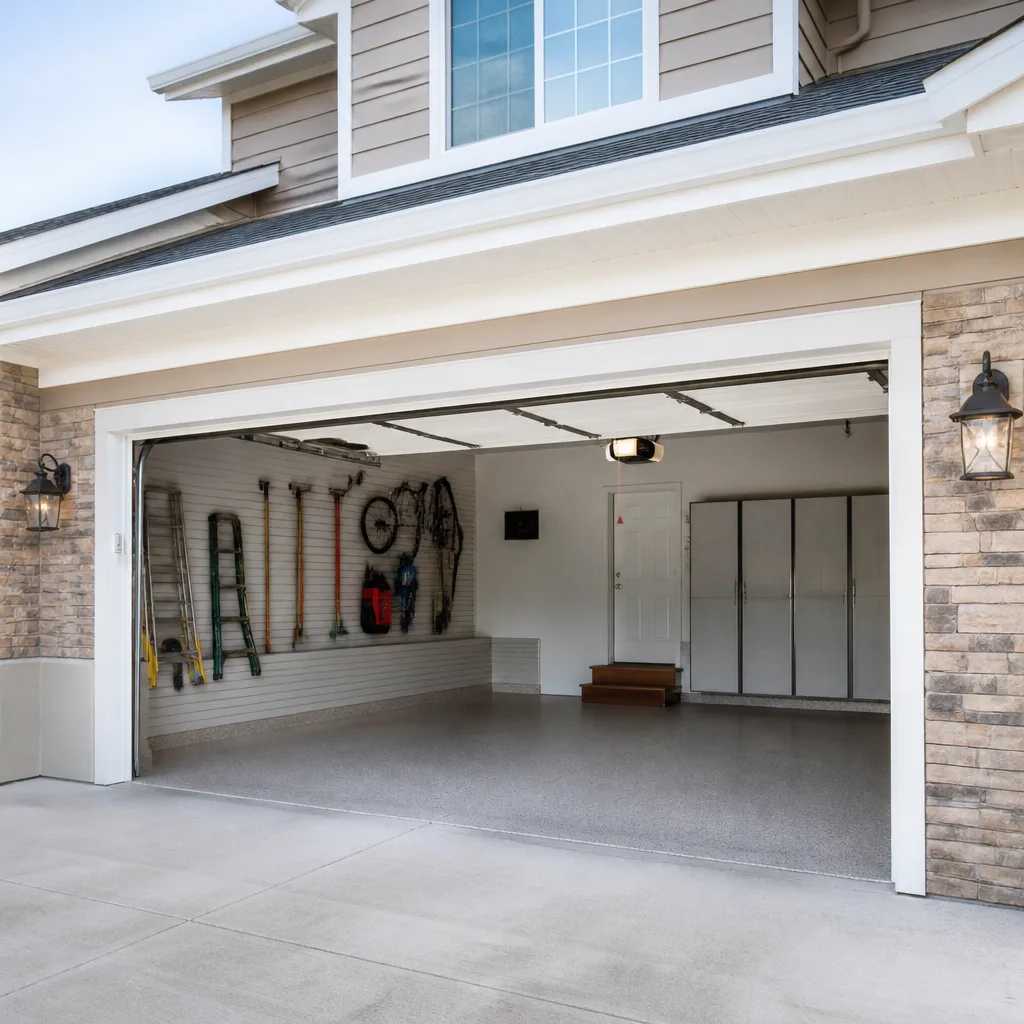 Chamberlain openers
Full 25-point door and opener safety check with every visit - springs, cables, rollers, tracks, and your LiftMaster or Chamberlain opener included
You get a price before we start. It does not change when the pro arrives.
Get your free estimateGarage Door Warning Signs: A Petersburg Homeowner’s Reference Guide
A garage door that hesitates for half a second before it moves isn’t just “getting old.” That specific behavior has three likely causes, and the difference between them matters: two are minor adjustments, and one is a cable that’s starting to part under tension. Most warning-sign guides wait until the door won’t open at all, then explain the emergency you’re already in. This reference works earlier than that. It teaches you to read the sounds, the spring position, the opener’s behavior, and the gap under the door the way a technician reads them on a first walk-through. By the end you’ll know which signals you can watch for a month, which ones mean call today, and which ones mean stop using the door in Petersburg until someone trained looks at it.
Styles & brands we work with
- Raised-panel steel
- Carriage house
- Modern flush
- Full-view glass
- LiftMaster openers
- Chamberlain openers
Quick Answer
The warning signs that matter most are a door that pauses before moving, grinding or popping noises, a visibly bent or stretched spring, cables that look frayed or off their drum, an opener that reverses on its own or needs a second press, and a gap of light under a closed door. Sort them into three buckets: monitor for 30 days (minor noise, slow drift), call today (reversal, hesitation, misalignment), and stop using the door (a snapped or visibly deformed spring, a slack or dangling cable). Springs and cables are high-tension parts, so never touch them; a trained technician handles that work.
Table of Contents
- What Your Door’s Noise Is Telling You
- Reading the Springs and Cables Without Touching Them
- How to Interpret Your Opener’s Behavior
- The Floor Gap Test: Two Failures in One Check
- Monitor for 30 Days, Call Today, or Stop Using It
- Why Petersburg Doors Show These Signs
- Brand Logic: Why the Manufacturer Matters
- Common Mistakes to Avoid
- When to Call a Professional
- Frequently Asked Questions
What Your Door’s Noise Is Telling You
Noise is the cheapest diagnostic tool you own. Every sound a garage door makes points at a specific component, and the type of sound tells you how urgent the problem is. Listen with the door moving and the house quiet. Here’s how we sort the four most common noises.
- Grinding. A low, continuous grind usually comes from rollers that have lost lubrication or worn flat spots, or from a torsion tube with dry bearings. Grinding is rarely an emergency, but it accelerates wear on everything it touches. This is a “monitor and schedule” sound, though a loud grind that started suddenly is worth a call.
- Popping. A sharp pop or bang, especially one that repeats at the same point in the door’s travel, often points to a spring under load or a hinge plate that’s binding. A single loud pop followed by the door feeling weightless is the classic sound of a spring failing, and that’s a stop-using-it signal.
- Scraping. A scrape or squeal that tracks the door’s movement usually means a roller is off its track, a panel is rubbing the frame, or the bottom seal is dragging the floor. Scraping left alone bends panels, so treat a persistent scrape as a call-today item.
- Rhythmic clicking. A steady click-click-click that matches the door’s speed is often a limit switch, a gear, or a chain with a tight link. It’s usually an opener issue rather than a door issue, and it’s typically a schedule-it item unless the door also stops mid-travel.
One rule applies to all four: a sound that’s new, sudden, and loud is more urgent than a sound that’s been creeping in for months. If your door starts making a noise you’ve never heard before and it won’t stop, that’s the moment to book a look rather than wait for it to fail. Our garage door repair team starts every visit by listening to the door run.
Reading the Springs and Cables Without Touching Them
Springs and cables carry the door’s entire weight, and they sit under enormous tension even when the door is down. You can learn a lot about their health by looking, and that’s exactly what you should do. Look from a safe distance, with the door closed and the opener disconnected if you can do so without reaching into the mechanism. Never put your hands near a spring or cable to “check” it.
Here’s what a healthy system looks like versus a system under stress:
- Torsion springs (the horizontal springs above the door). A healthy spring is a tight, even coil with no separation. A spring showing a visible gap in the coil, a coil that’s wound unevenly, or a spring that looks stretched compared to its neighbor is deforming under load. A spring with a clear break is done, and the door should not be used until it’s replaced.
- Extension springs (the springs that run along the tracks or above them). These should look straight and evenly spaced. A spring that’s stretched out of shape, kinked, or missing its safety cable is a risk. Extension springs are the ones most associated with violent failure, which is why the safety cable matters.
- Cables. The lift cables should sit neatly wound on their drums and run straight down the sides. A cable that’s frayed, has a broken strand, sits off its drum, or hangs slack on one side has failed or is about to. A slack cable is a stop-using-the-door signal.
In our experience, a deformed spring or a frayed cable doesn’t fix itself, and the door gets heavier and harder on the opener every day you keep running it. This is the core of garage door spring repair: read the deformation early, replace before the failure, and keep the door’s weight balanced. Springs are dangerous and this is a job for a trained technician.
How to Interpret Your Opener’s Behavior
Your opener is a diagnostic computer bolted to the ceiling, and it tells you things about the door that aren’t always obvious from the outside. Three behaviors look similar to a homeowner but mean different things to a technician.
- The door reverses on its own. This usually means the opener is detecting resistance, and the cause could be a binding track, a worn roller, a misaligned photo-eye, or a door that’s out of balance. Reversal is a safety feature working correctly, but it’s pointing at a problem. Treat it as a call-today item, especially if it happens repeatedly at the same spot.
- The door moves slower than usual. A slowdown usually means the opener is straining against extra weight, often from a weakening spring or a dry, binding track. The opener isn’t necessarily the problem; it may be the messenger. Slower travel is a schedule-it item, but if it’s paired with noise or hesitation, move it up.
- You need a second button press. If the door won’t start on the first press but works on the second, the opener’s logic board, a worn remote, or a limit setting is likely involved. This is usually a minor fix, but it can mask a door that’s starting to bind. Watch whether it gets more frequent.
Opener behavior also depends on the brand. A Craftsman or a Raynor unit may signal a fault with a specific light pattern, while a LiftMaster or Chamberlain may behave differently because of its logic and safety sensors. We work on your brand, which means we read the behavior with the right system in mind rather than guessing. If your opener is the issue, our garage door opener repair covers everything from a single sensor to a full logic board swap.
The Floor Gap Test: Two Failures in One Check
Here’s a five-minute check that catches two separate failure modes at once. Close the door fully, turn off the lights, and look at the bottom edge from inside the garage. You’re looking for daylight between the bottom seal and the floor.
- An even gap along the whole width means the bottom seal has flattened, hardened, or pulled away. A worn seal lets in water, drafts, and pests, and it’s a straightforward replacement.
- A gap that’s wider at one end means the door is out of level, which usually comes from a track that’s twisted, a roller that’s popped out, or a hinge that’s bent. This is a call-today item because an out-of-level door strains the opener and the springs.
- A gap that changes as the door moves means the tracks are out of parallel. The door is racking in the opening, and that accelerates wear on every component.
The floor gap test also catches track alignment problems that are invisible from a standing view. Run your eyes down each vertical track and look for a bend or a kink, then look at the horizontal tracks for sagging. A track that’s out of line will make the door scrape, bind, and eventually jump. Catching it at the gap stage is far cheaper than catching it after a roller has torn loose.
Monitor for 30 Days, Call Today, or Stop Using It
The most useful thing you can do with a warning sign is sort it. We use three buckets on every walk-through, and you can apply the same logic.
Monitor for 30 days. These are slow, stable signals that aren’t getting worse quickly:
- Mild grinding or squeaking that’s been steady for a while
- A slight slowdown with no other symptoms
- A cosmetic panel dent that doesn’t affect travel
- A remote that occasionally needs a second press
- A bottom seal that’s worn but still meets the floor
Call today. These are signals that are actively getting worse or that put stress on the system:
- A door that reverses on its own or hesitates before moving
- Popping that repeats at the same point in travel
- A scraping noise or a visibly misaligned track
- A noticeable gap at one corner of the floor
- A frayed cable or a spring that looks stretched
Stop using the door. These are safety signals. Call before you run the door again:
- A spring with a visible break, gap, or violent kink
- A slack or dangling cable on one side
- A door that drops fast or feels weightless when you lift it
- A door that won’t stay up when you open it by hand
In Petersburg, doors that sit through humid summers and then get worked hard in spring and fall tend to show the friction-related signs first. The humidity loosens and dries seals, and the temperature swings stress metal parts. Knowing your bucket keeps you from panicking over a squeak or ignoring a shortening spring.
Why Petersburg Doors Show These Signs
Petersburg’s climate is a real factor in how garage doors age. The area gets humid summers and cold snaps in winter, and that cycle works on the parts of a door that are most sensitive to moisture. The bottom seal takes the worst of it: it hardens and splits, and then water finds its way under the door. Rollers dry out and start to grind, and hinges pick up surface rust that makes them stiff.
The housing stock matters too. Many homes in Petersburg have garages that were built decades ago and have been retrofitted with newer openers over time. That mix of older door hardware and newer electronics is exactly where brand logic earns its keep. An older Raynor door paired with a recent LiftMaster or Chamberlain opener behaves in ways a generalist won’t read correctly. We see this across neighborhoods like Old Towne, Walnut Hill, and the areas around Virginia State University, where original doors and updated openers are common. Knowing the door’s hardware and the opener’s logic lets a technician diagnose from the right starting point instead of guessing.
It also means the warning signs you should watch for first aren’t the same as in a dry climate. Prioritize the bottom seal, the rollers, and any rust on the hinges and tracks. Check the spring and cable condition after every significant cold snap, since cold makes metal more brittle. A quick look after a temperature swing catches the deformation before the failure.
Brand Logic: Why the Manufacturer Matters
Garage doors and openers aren’t interchangeable, and the warning signs you see can mean different things depending on the name on the hardware. We work on your brand, which means our technicians diagnose by the actual system in your garage. We’re factory-familiar with the eight major brands you’re most likely to find in a Petersburg home: LiftMaster, Chamberlain, Genie, Clopay, Amarr, Wayne Dalton, Craftsman, and Raynor.
On the door side, a Clopay or Amarr panel that’s rubbing asks for a specific alignment fix, while a Wayne Dalton or Raynor door with a bent track needs the track handled its own way. On the opener side, LiftMaster and Chamberlain models share a logic family (the myQ ecosystem), which means their fault behavior and sensor quirks are consistent. Genie and Craftsman units have their own patterns. If you’ve told us “I have a LiftMaster” or “my Chamberlain keeps reversing,” you’ve already given us a head start, because the behavior we’re looking for is specific to that system. Our garage door repair team keeps that knowledge in-house so you’re not bouncing between a door guy and an opener guy.
Common Mistakes to Avoid
- Touching the spring or cable to “see how loose it is.” Springs and cables are under high tension even when the door is down. A visual check from a distance tells you everything you need; hands near the mechanism risk serious injury.
- Ignoring a hesitation because the door still opens. A half-second pause is one of the earliest and most reliable signs of a binding track, a strained spring, or a failing opener. Waiting turns a small fix into a bigger one.
- Greasing everything to quiet the noise. Lubricating the wrong parts, like the tracks, attracts grit and makes the problem worse. The rollers, hinges, and bearings benefit from proper lubrication; the tracks should be clean and dry in Petersburg’s humid air.
- Replacing the opener when the door is the problem. A door that reverses or moves slowly is often telling you the door is heavy or binding. Swapping the opener without fixing the door just wears out the new unit too.
- Adjusting the spring tension yourself. This is the single most dangerous DIY mistake in garage door work. Trained technicians handle high-tension spring work for a reason.
- Forgetting the floor gap test. An uneven gap at the base is the easiest early warning of misalignment you’ll ever run, and most homeowners never look. A flashlight and five minutes catches it.
- Letting a frayed cable ride. A cable that’s hanging slack or showing a broken strand is close to failing. It’s a stop-using-the-door signal, not a watch-and-see one.
When to Call a Professional
Some signals are yours to watch, and some belong to a trained technician. Call us when a door reverses on its own, hesitates before moving, drops fast, or makes a new loud pop or scrape. Call us when a spring looks deformed, a cable is frayed or slack, or the floor gap is uneven. Call us when the opener behaves differently than it used to and doesn’t settle back. And call us if you’re simply not sure which bucket a sign belongs in. Springs are dangerous and that’s a job for a trained technician, and the rest of the door is worth diagnosing correctly the first time. Petersburg Garage Door Repair Pros offers free estimates in Petersburg. Call (844) 791-5308. We answer 24/7. Fast dispatch from 7am to 7pm, Sunday through Friday. The price is quoted and agreed before any work starts, and our technicians have up to 8 years of experience reading exactly these signs.
Frequently Asked Questions
A hesitation usually means one of three things: a binding track, a worn spring that’s not lifting its share of the weight, or an opener that’s starting to fail. Two of those are minor adjustments and one is a spring or cable under tension. Because you can’t tell which it is by sound alone, this is a call-today sign. Call (844) 791-5308 for a free estimate. We answer 24/7. Fast dispatch from 7am to 7pm, Sunday through Friday.
A single popping that repeats at the same point in the door’s travel is worth a call, and a pop followed by the door feeling weightless means stop using it. Repeating pops usually point to a binding hinge or a spring under load, and the spring is the part you don’t want to fail. Don’t reach into the mechanism to check. Call (844) 791-5308 and we’ll get a look at it.
Check springs by looking, never by touching. With the door closed, look for gaps in the coil, uneven winding, a stretched look, or a visible break, all of which mean the spring is failing. Then look at the cables for fraying or slack. If anything looks wrong, treat it as a stop-using-the-door signal and call a trained technician. Our spring repair specialists in Petersburg handle this safely.
A door that reverses is usually detecting resistance, often from a binding track, a worn roller, a misaligned safety sensor, or a door that’s out of balance. Petersburg’s humidity can stiffen hinges and swell seals, which adds resistance the opener reads as an obstacle. Reversal is a safety feature doing its job, but it’s reporting a real problem. Call (844) 791-5308 for a free estimate.
Yes. A frayed, slack, or off-drum cable is a stop-using-the-door issue, and it’s the kind of call we route as an emergency. We answer 24/7, and fast dispatch runs 7am to 7pm, Sunday through Friday. The price is quoted and agreed before any work starts. Call (844) 791-5308.
Most warning signs point to repair, not replacement. Signs that favor replacement are a door that’s been repeatedly repaired for the same panel damage, structural warping across multiple panels, or a full system that’s consistently out of balance. We handle both repair and complete new installation, so you don’t have to find a second company. Call (844) 791-5308 for a free estimate and a straight answer.
The Bottom Line
The signs that matter most appear long before the door stops working. A hesitation, a new grinding sound, a stretched spring, a frayed cable, an opener that needs a second press, and a gap of light under the door are all signals you can read yourself. Sort them into three buckets: monitor, call today, and stop using the door. Never touch a spring or cable, and never grease the tracks. When in doubt, call. Petersburg Garage Door Repair Pros handles diagnosis, opener repair, spring replacement, and new installation, so one call covers your brand and your door. Call (844) 791-5308 for a free estimate. We answer 24/7. Fast dispatch from 7am to 7pm, Sunday through Friday. The price is quoted and agreed before any work starts, so there are no surprises on the invoice. If you’re researching a repair, start with the Petersburg Garage Door Repair Pros team, and we’ll get your door back on track today.
Written by the team at Petersburg Garage Door Repair Pros.
See the difference
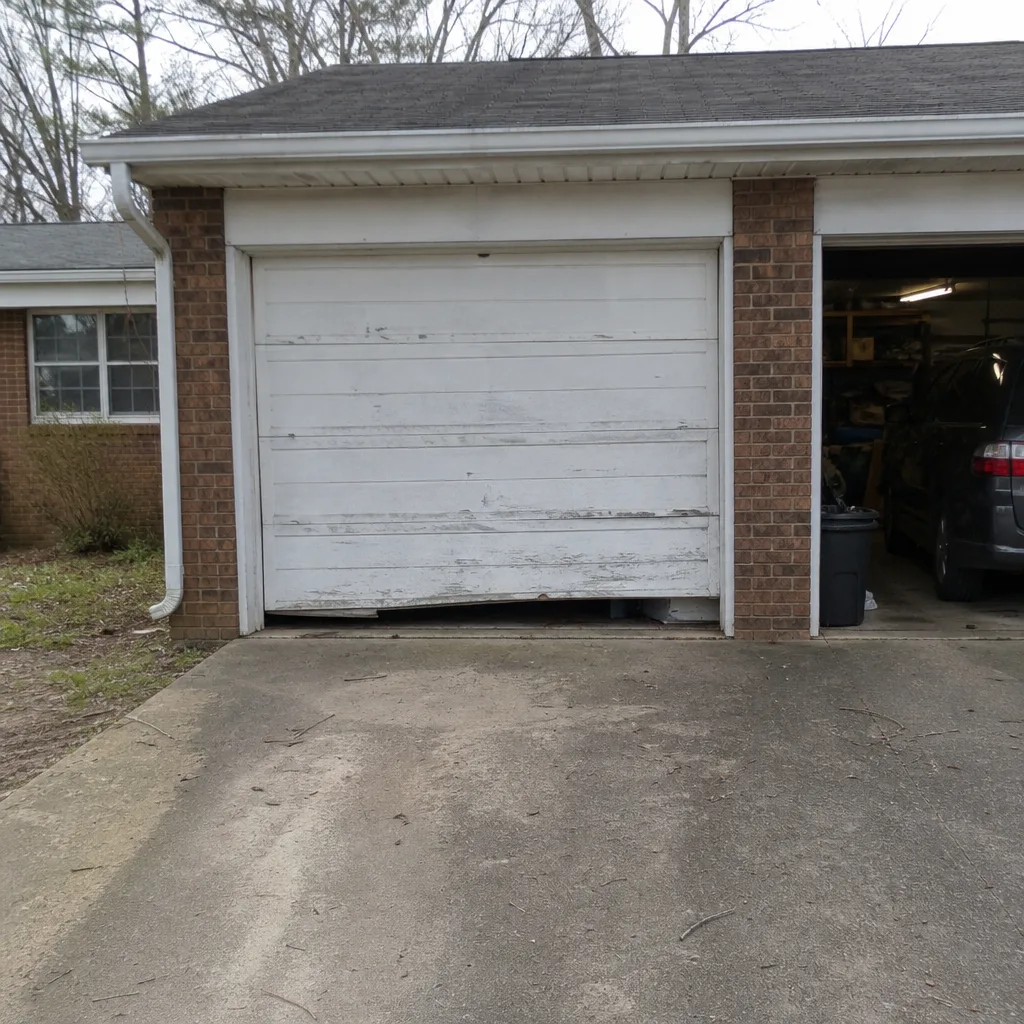 Before
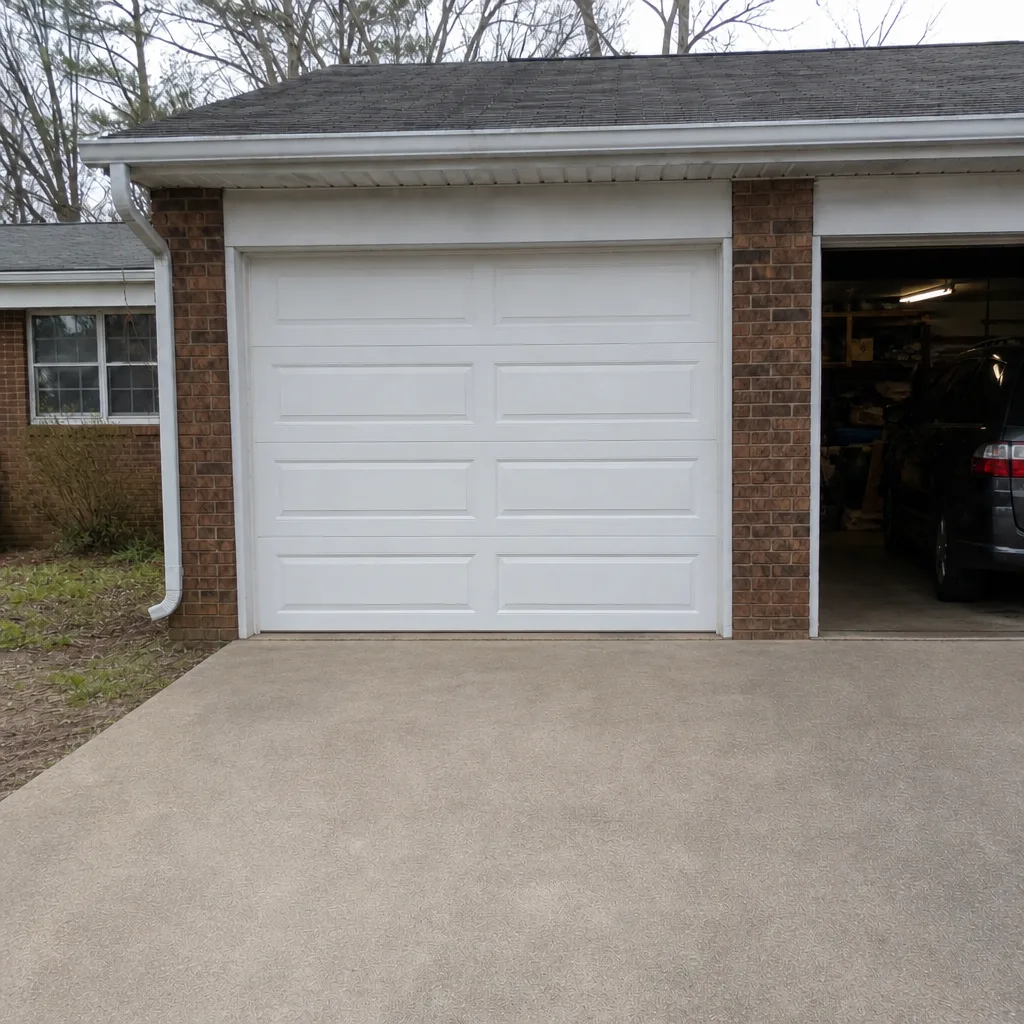 After
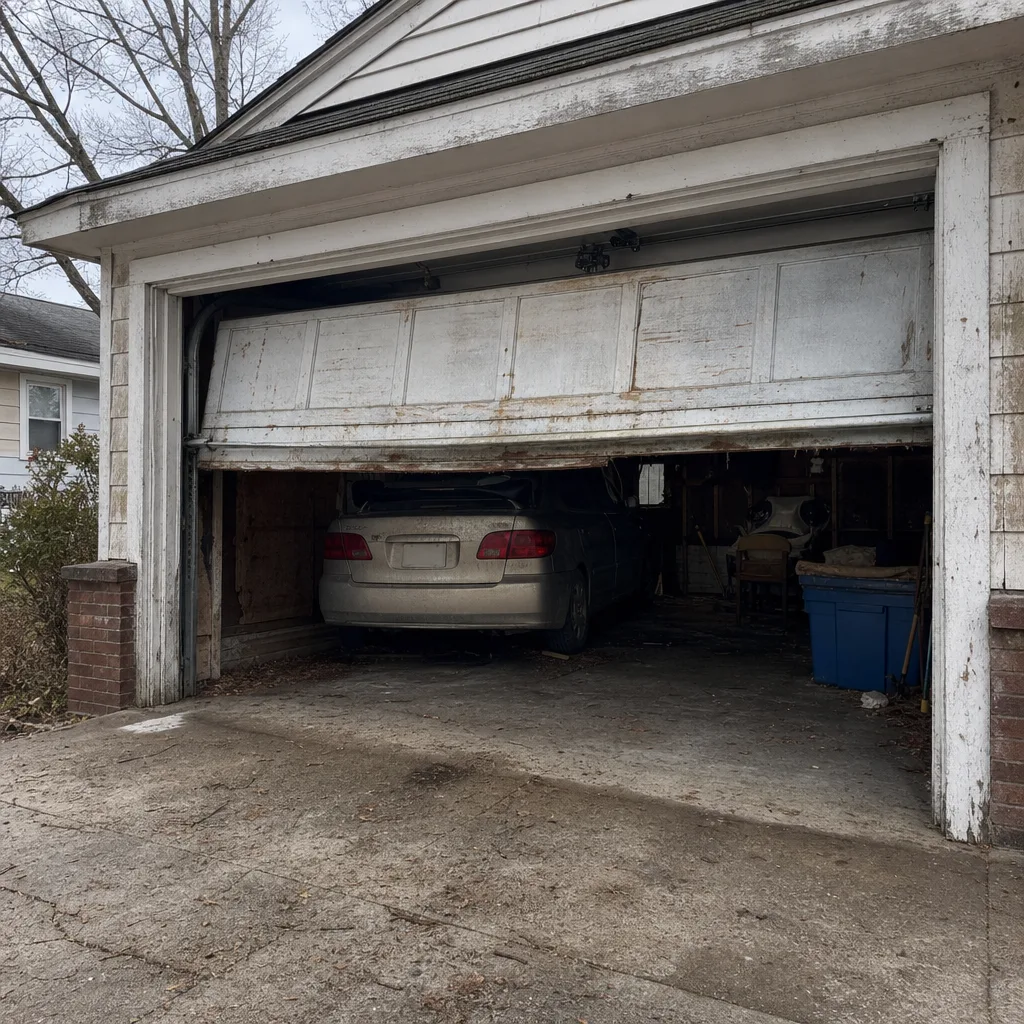 Before
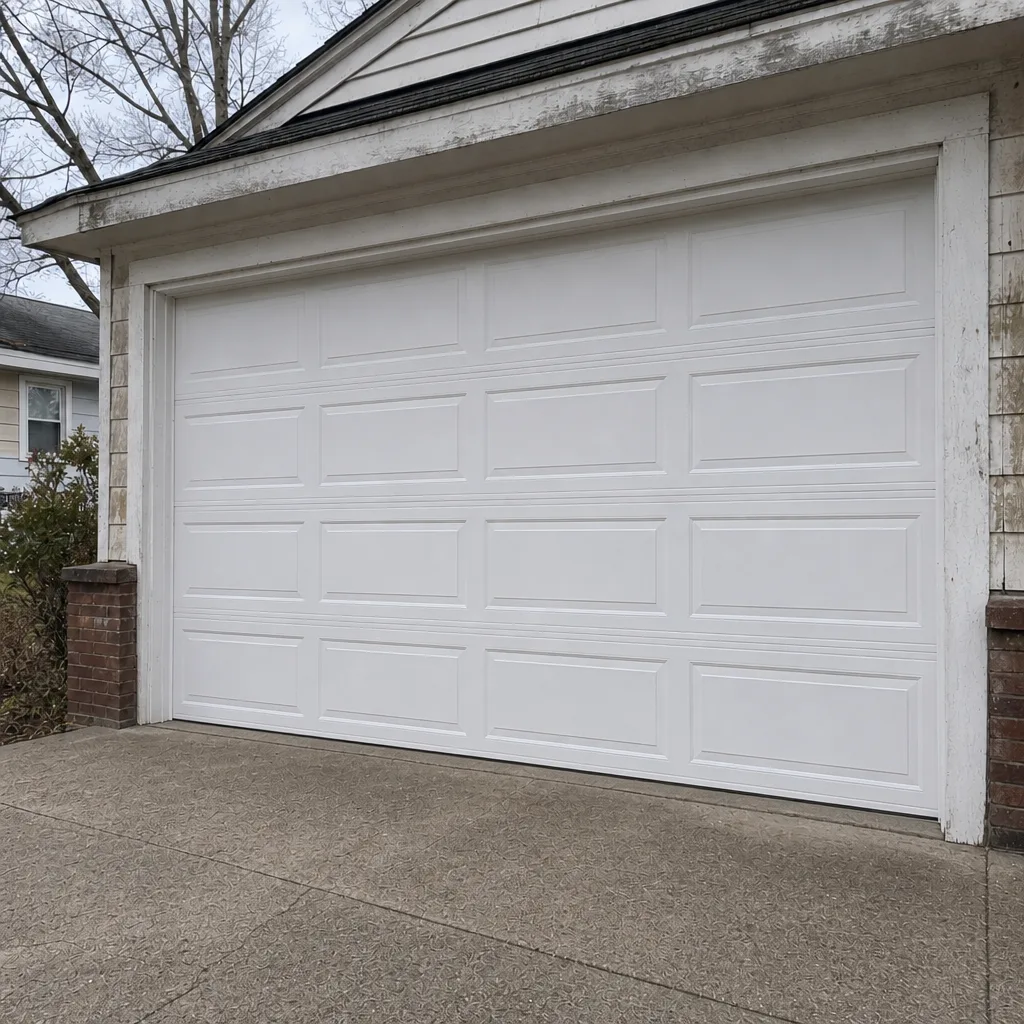 After
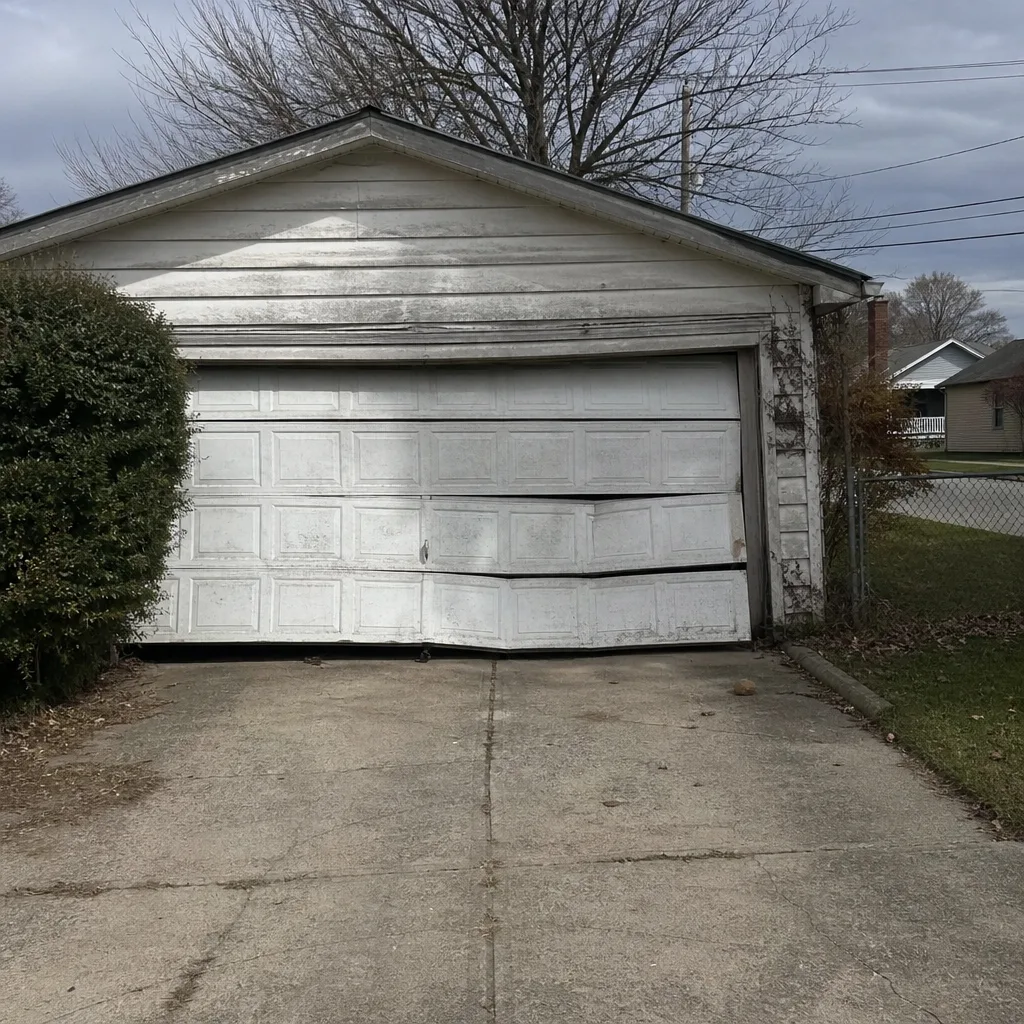 Before
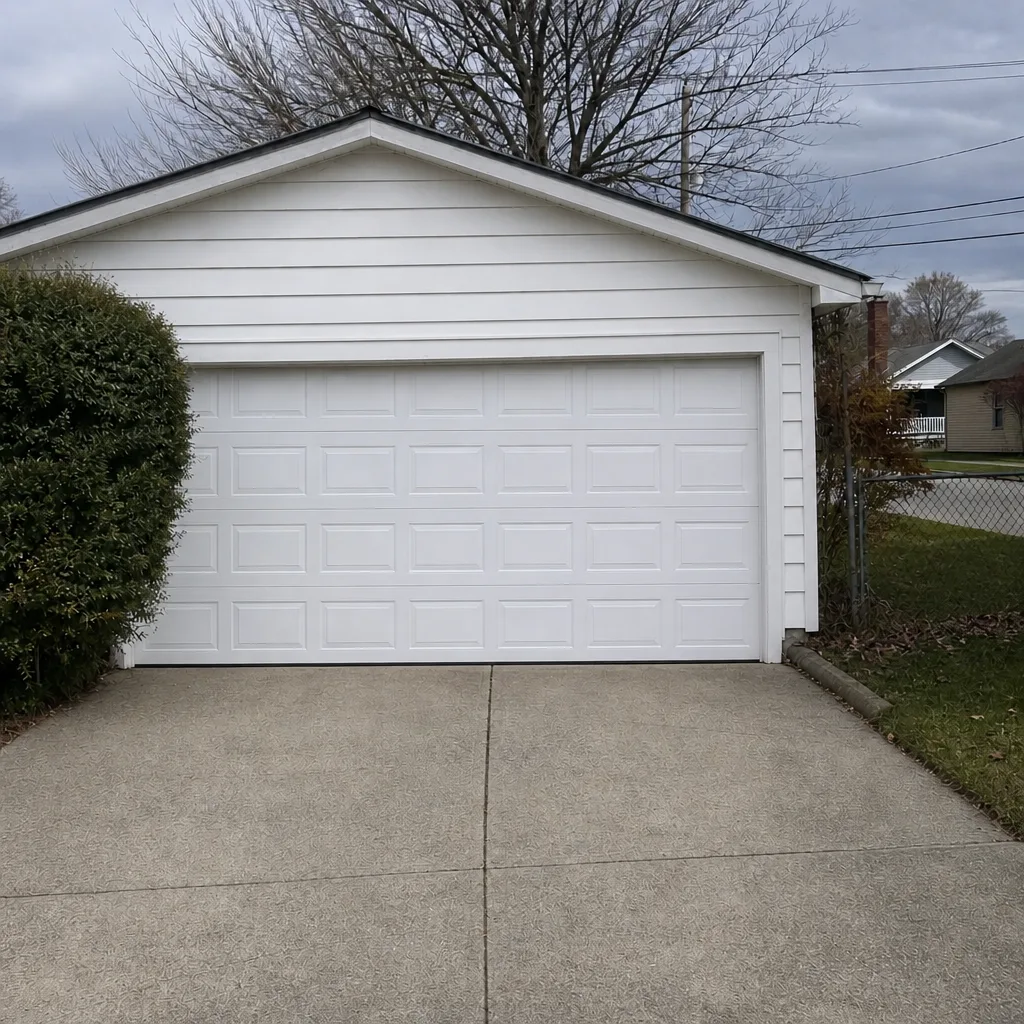 After